July 27, Dip netting on Kenai

Alaskan residents can “dip net” 25 salmon per family member. They stand waist deep where the rivers meet the ocean and the waves splash over their waders. Brrr! When the salmon run into their nets they drag them up the beach, conk them on the head, and clean them there on the sand. And they do this for days on end. They aren’t allowed to sell or even give away their catch—it’s only food for their own families, a long-time Alaskan tradition. The rest of us tourists use fish poles.

Whole families camp at the beach for salmon season. I shiver on my walk with jeans and a sweater while the Alaskan kids play happily in the sand in shorts and a tee-shirt, only stopping to help their parents conk the netted salmon.

During dip-netting season, salmon heads and egg sacks litter the beach, waiting for high tide to clean up the mess. It looks like whole-scale slaughter until you remember that it’s also a major food source for Alaskans, just like venison was for New Yorkers a generation ago. And those salmon are just running upstream to die anyway….after they lay their eggs and release their sperm.
Swatting mosquitoes at Fuller Lakes, July 25, Alaska

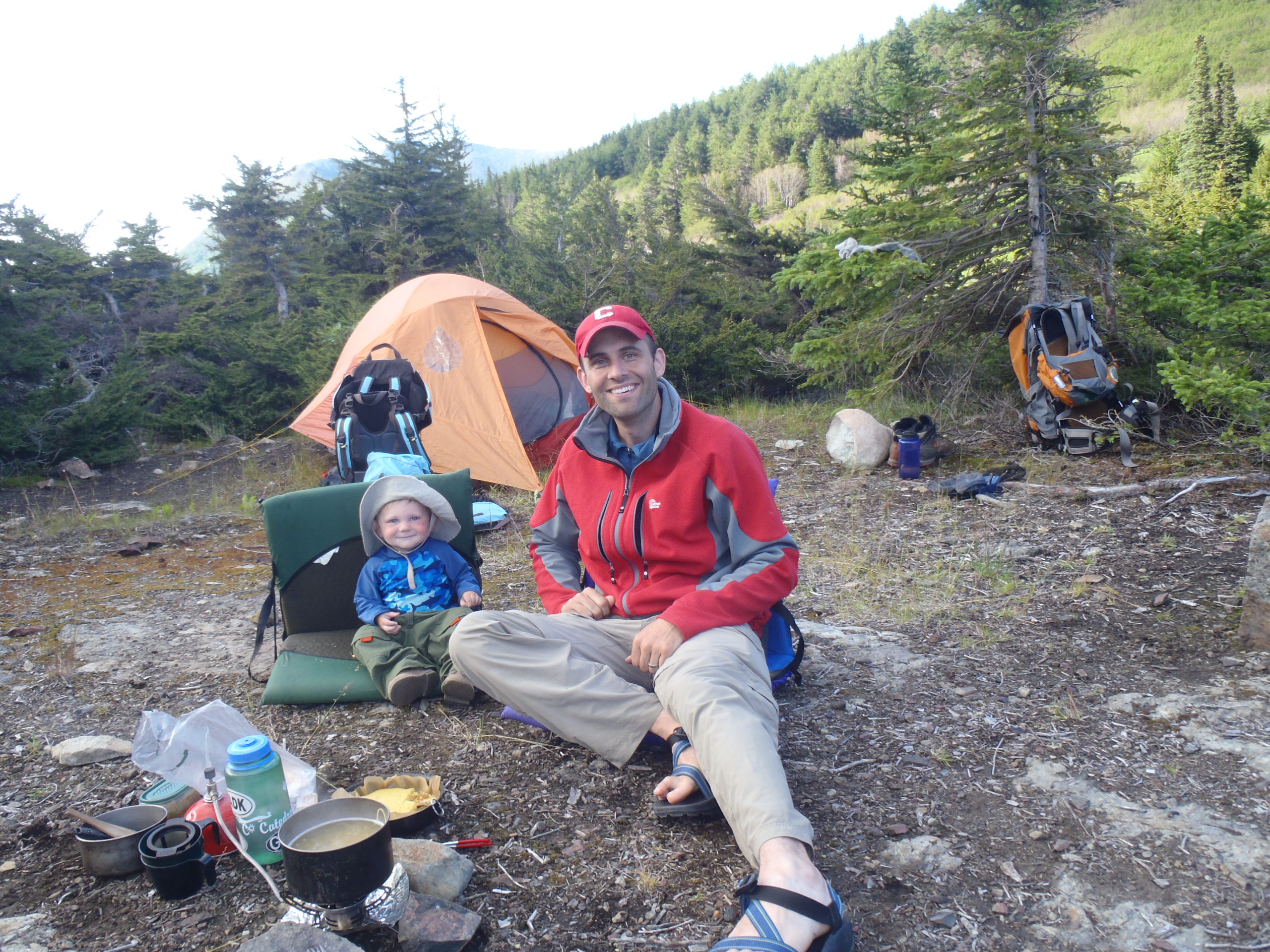
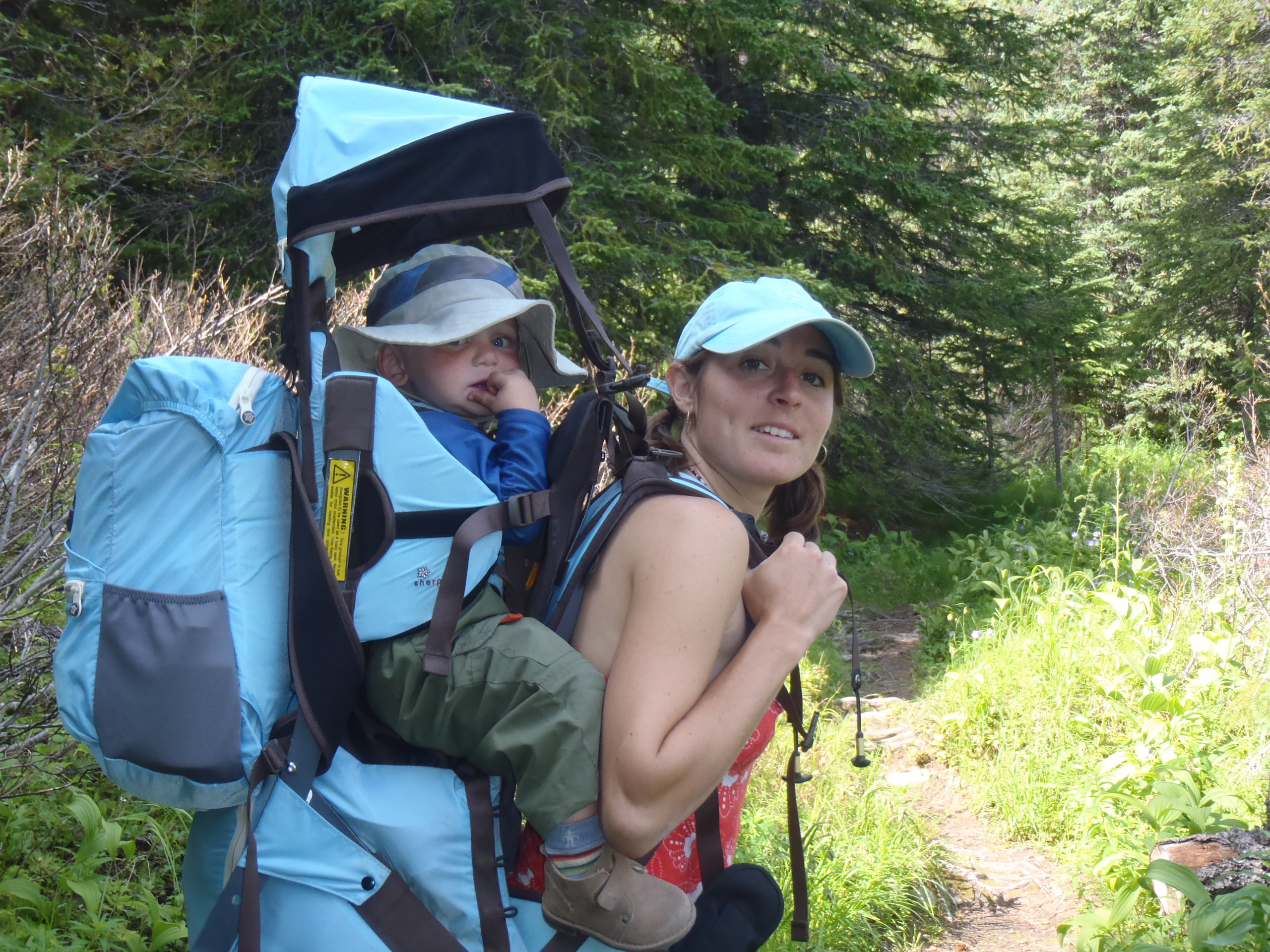
We only did one over-night hike while in Soldotna—we dragged all our camping gear with us so I figured we had better use it! We swatted mosquities up to a shallow glacial lake called Upper Fuller and set up our tent on a pretty rock outcrop….still slapping bugs.

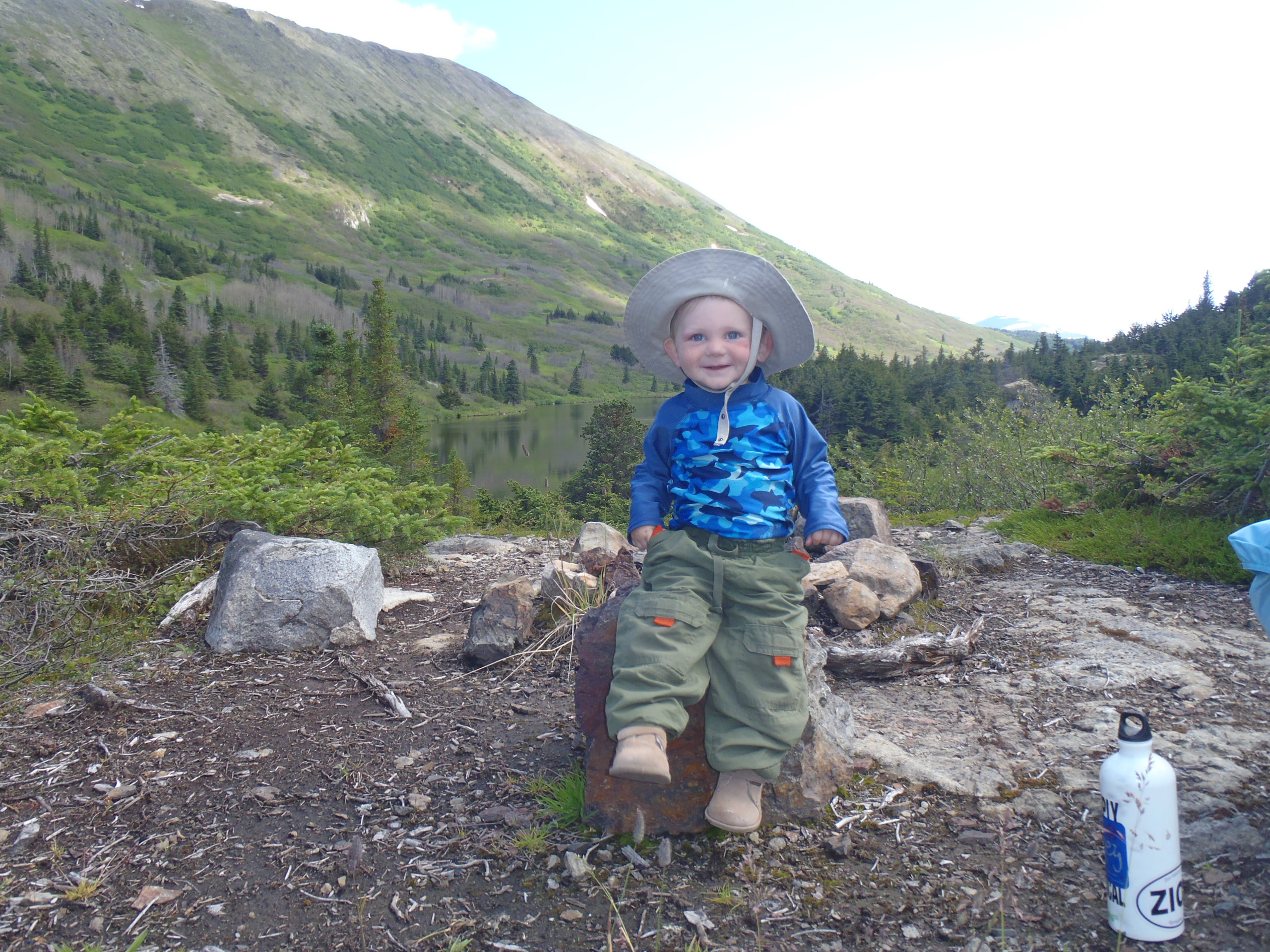
Jeremiah followed Milo around like a mother hen as Milo tripped and fell his way around camp, scattering our belongings, and posing for photos.

Milo usurped my seat, ate half our corn bread, tried to fall into the water, and was generally cute and perilous all evening.

We zipped ourselves up in our tent at 8:30….it was light out but we were tired of slapping mosquitoes, and anyway we hoped Milo would fall asleep. At 11 pm he was still going strong, bumbling around the tent, smooshing his face against ours, batting our heads, entirely too wound up to sleep. So I held him down by his sweatshirt while he screamed, and finally slept.

I’m not sure why we don’t have mountain meadows filled with wildflowers in NY like those in Alaska. Maybe it has something to do with the succession after a glacier recedes, with grasses and flowers growing where the soil is still too shallow for trees to shade them out. These dark purple monk’s hood are stunning, and wild bees push themselves way up under the hood to find the nectar.

Redish-orange columbine next to light purple wild geraniums are a lovely combination that we saw a lot while hiking.

I don’t think of birches as strong trees back in NY, but they’re one of the hardy survivors here in Alaska, along with cottonwoods and alders.

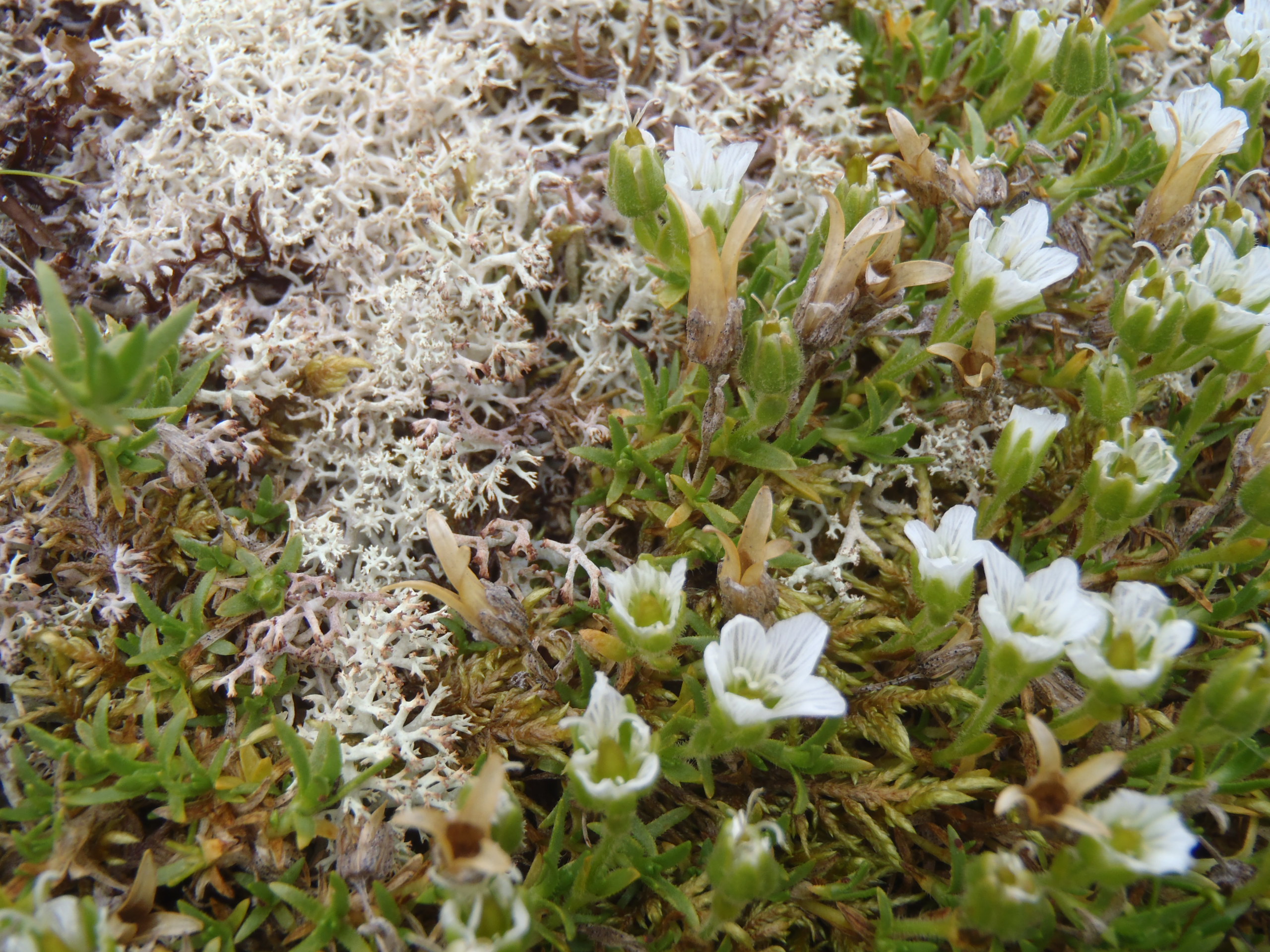
Up above the meadowy wild flowers are the short heather and other springy short plants that cover the tops of the mountains on the Kenai Peninsula. The white lichens make the upper slopes look peppery white from a distance.