Duck eggs and green sausage

Shaw’s don’t often wax poetic, but Jeremiah got pretty close while eating this quiche. This morning we went to the Christchurch farmers’ market and Jeremiah picked up a “second class dozen” (that means 10) duck eggs and Bobotie sausage (it’s green). This evening he whipped up a quiche that tasted great. Honestly I’m not a connoisseur of eggs, I couldn’t tell by taste that they were duck eggs. But we enjoyed them (and the food story) heartily at any rate!

youtube Sesame Street

I’m not sure who is enjoying Sesame Sreet on youtube more, Mama or Milo. Mama I think. We take full advantage of the addictive youtube feature where they suggest what other videos you might like….we’re on the Sesame Street song kick from the ’80s right now, clips I remember watching. “Du-op, du-op, Hop!” by Kermit is still running through my head.

Building dexterity

When our shipment of household stuff arrived Milo got back a bunch of toys that we had packed away 10 weeks ago. Milo is a lot more dexterous now then he was just 2 months ago, but I wouldn’t have noticed the gradual development if I he hadn’t been without the blocks for so long. He’s good at stacking them now, building towers rather than just knocking them down. I kind-of got the grandparents’ view, when they say “My, how you’ve grown,” upon seeing the kids after an absence.

Hiking Woolshed Creek (no sheep)

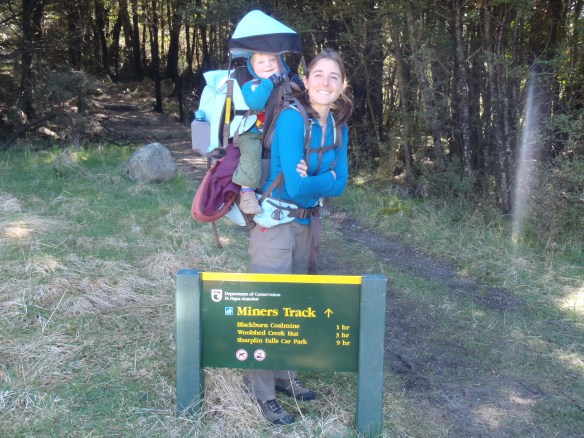
This past weekend we hiked around the Mt Somer area, up Woolshed creek to the DOC hut there. That means we didn’t have to carry a tent, and we had a heated place to cook! Molly carried Milo, his diapers and clothes, while Jeremiah carried all the rest of the paraphernalia.

I think these tussock grasses were native to the area, so I imagine that these hills were grassy instead of wooded before people came along. It’s kind of hard to imagine the natural look, actually, since just about every nook and cranny is changed to grazing land if it’s not so steep that sheep and topsoil fall off the slopes.

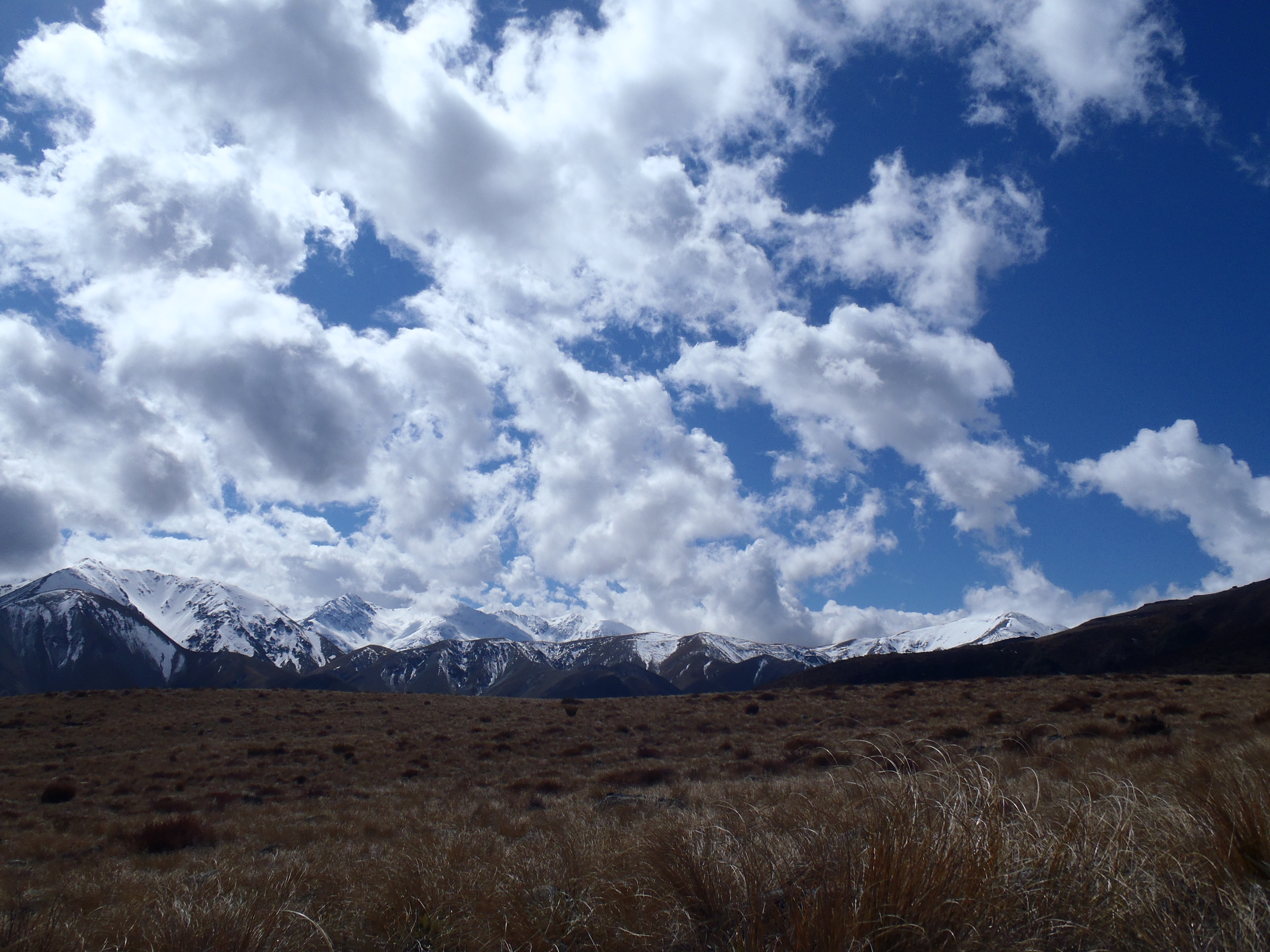
It’s a rather brown landscape right now, but I must remember that it’s still early spring. The tussock grass on the tops of those hills must get green at some point.

When we stopped for lunch Milo gets to stretch his legs, and eat the cheese off his sandwich. He likes Mama’s bagels when they’re fresh and soft, but rejects them later.
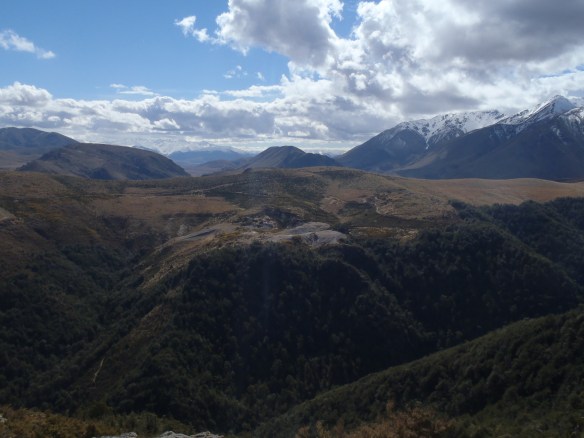
Starting in the mid 1800’s, miners tried to make a go at digging coal out of the earth. The mine is still there, closed off, and some of the steep tracks they made to carry the coal down to the train. Ug, what a cold, dirty, nasty way to make a living. For some reason, plants don’t seem to grow back around the mine site, so it’ll take a long time (in people time) for that scar to heal over on the landscape. I guess in geological time it’s still just a blip.
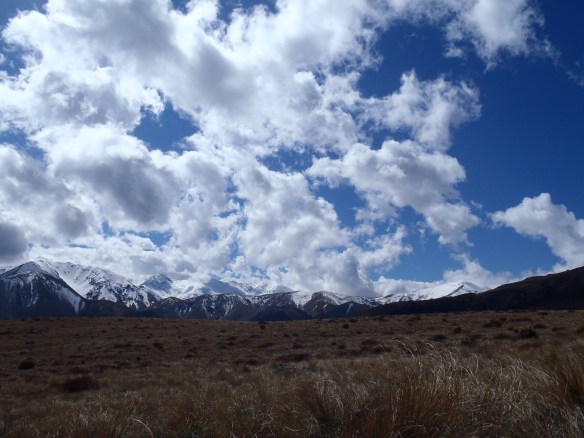
Check out those clouds! It’s cold when they cover the sun and warm when they pass.

There’s our hut, down in the valley next to the stream.

The “hut” is actually a pretty luxurious cabin with 26 bunks, a woodstove, and nice stainless steel counters for cooking. Here we are, ready to walk out after spending the night.
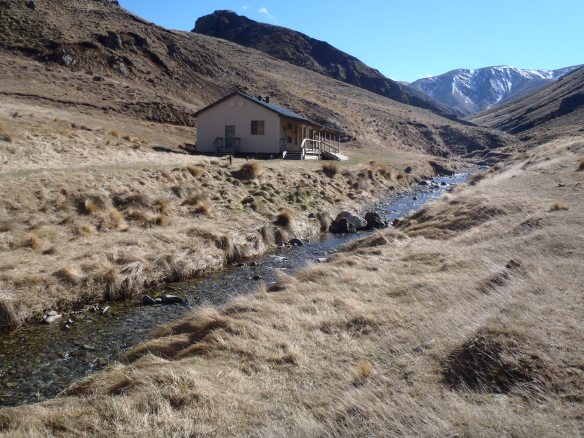
What you can’t see in this picture is the outhouse, but even that was well built and minimally smelly. You can hear the brook even inside the hut.
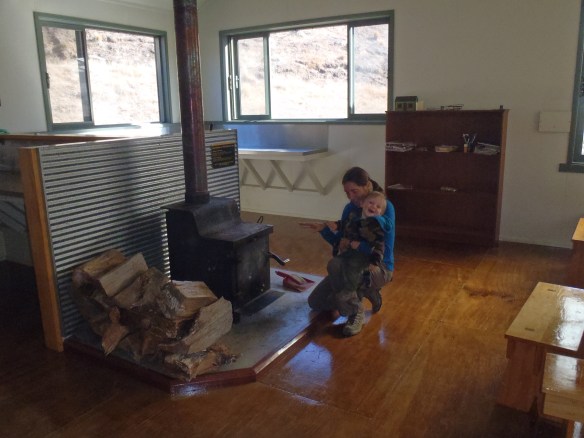
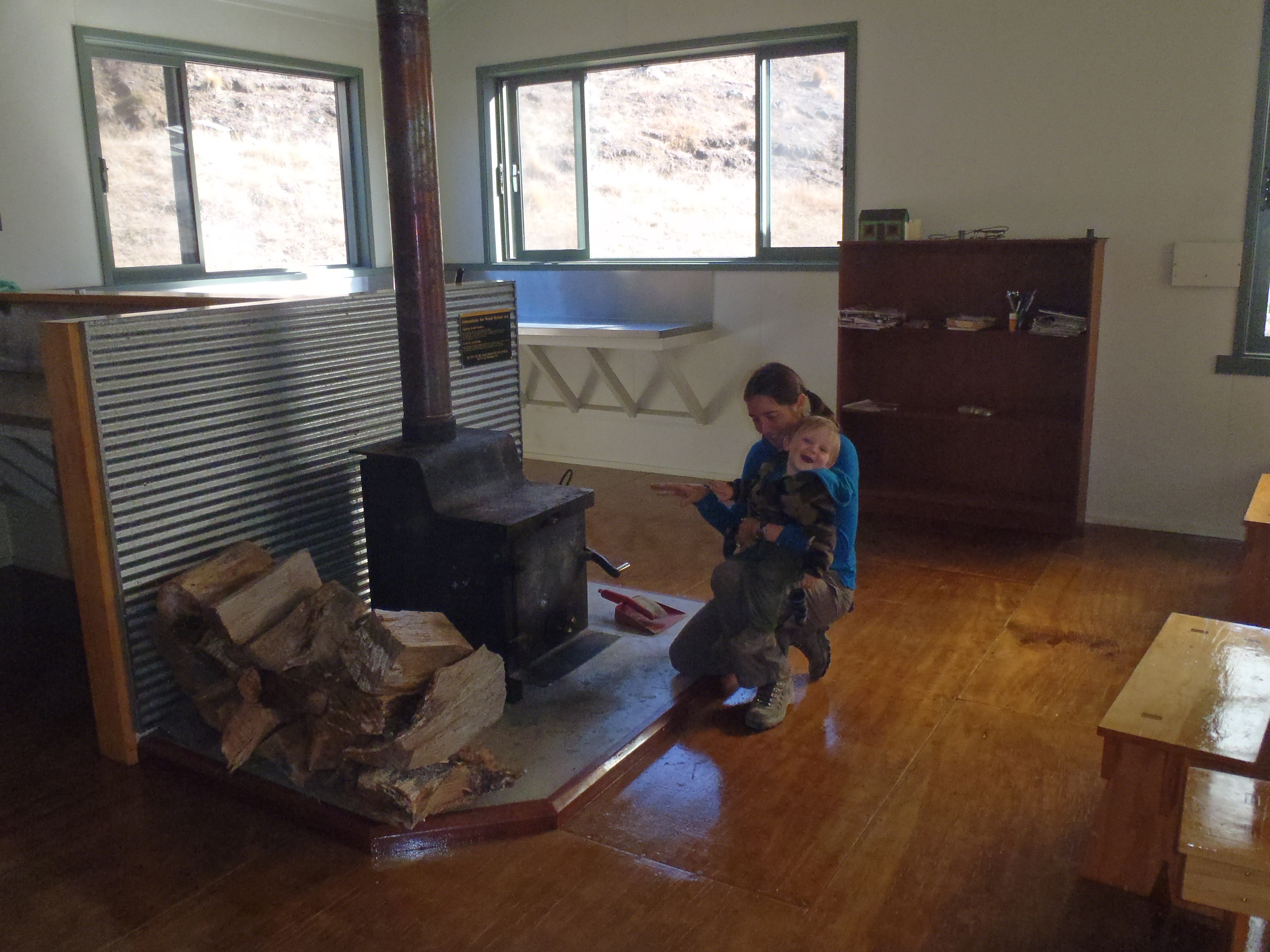
Milo seems to have remembered the hot wood stove at home, he respected this one well. “Hot” is one word he does say, and he used it well, making sure everyone knew that the stove was hot.

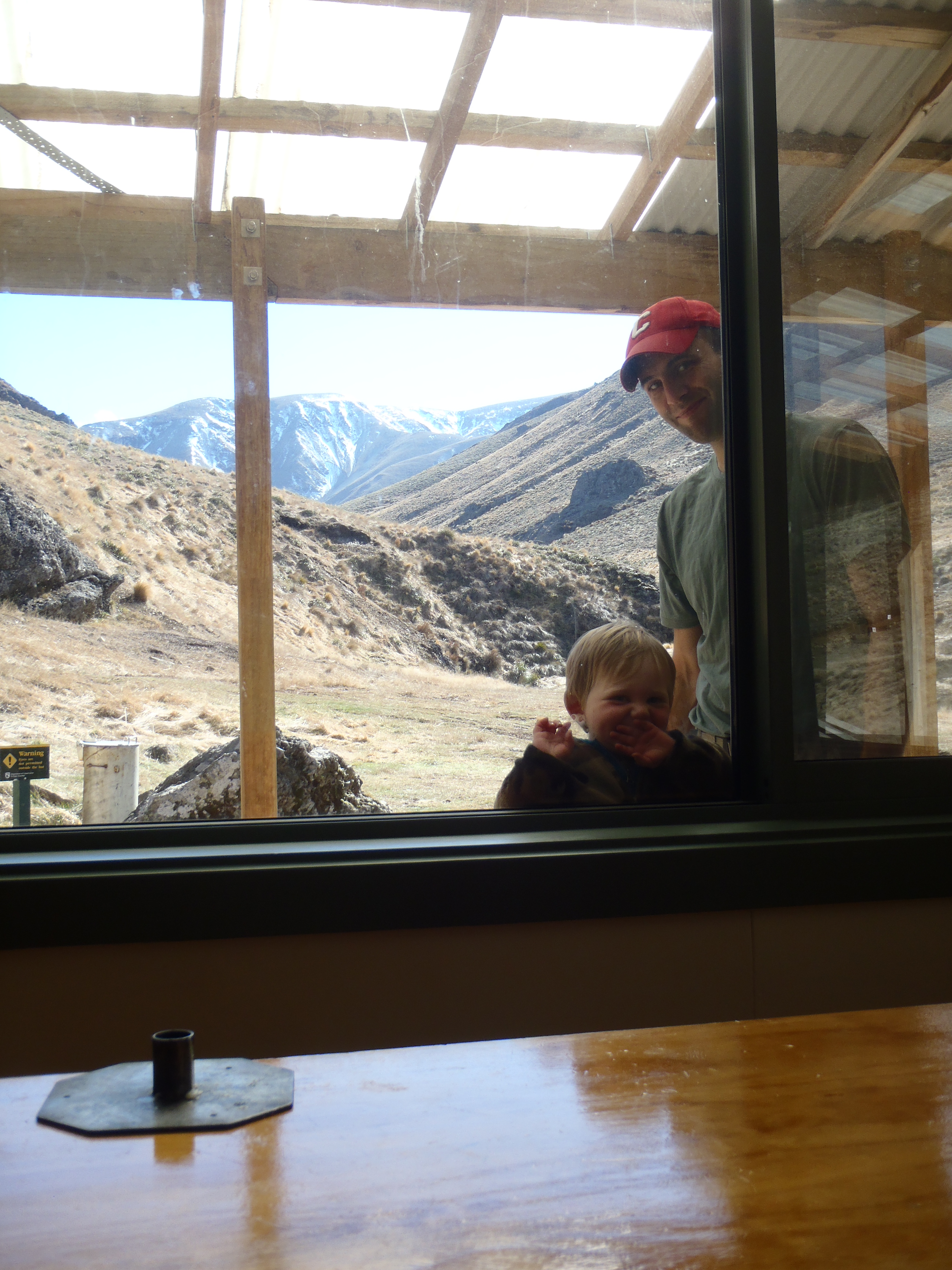
Peekaboo! The other campers were reasonably tolerant of Milo, but someone complained about the scampering feet in the morning when Milo and his 3-year-old new-found friend Sophie were playing chase.

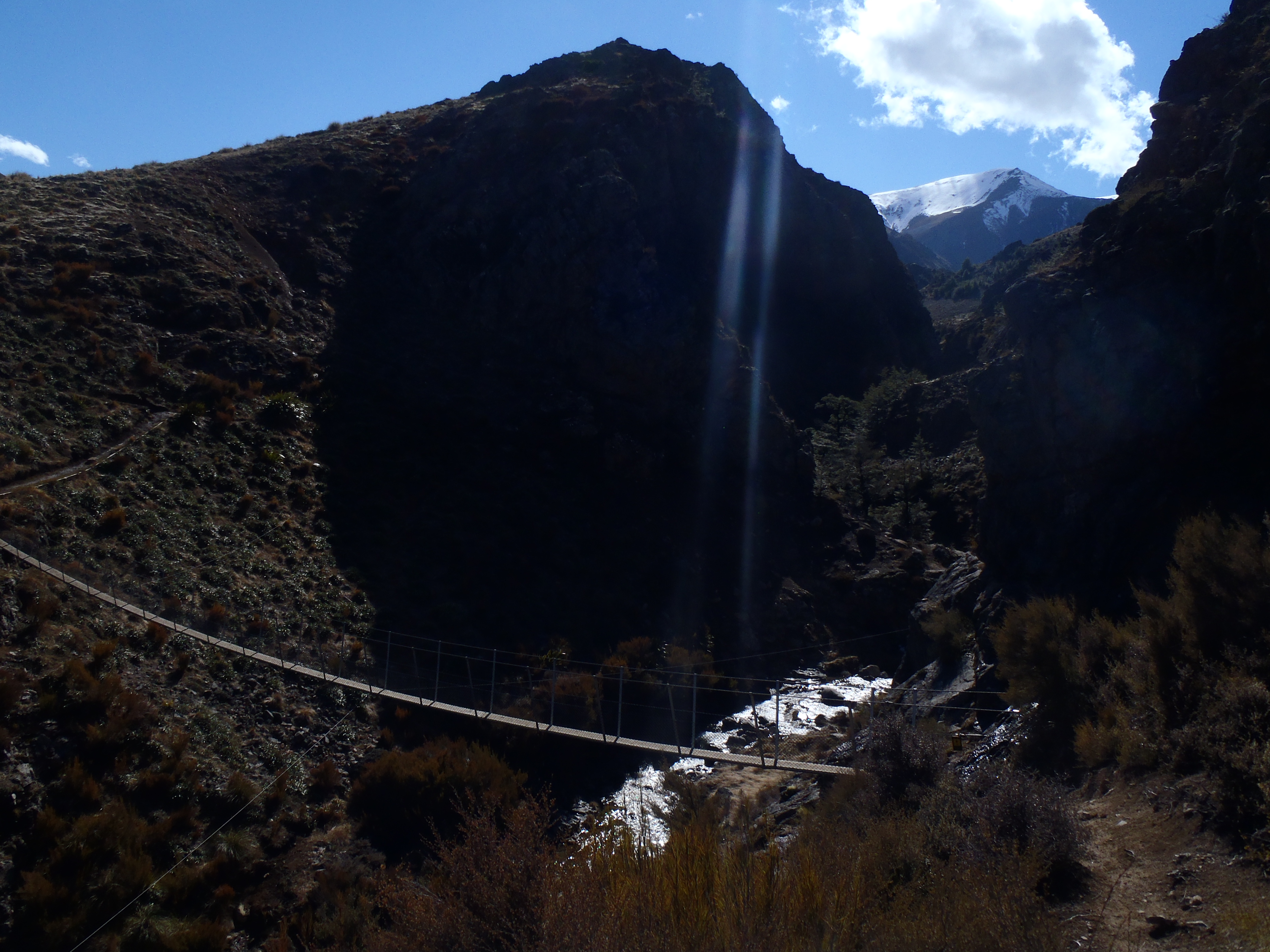
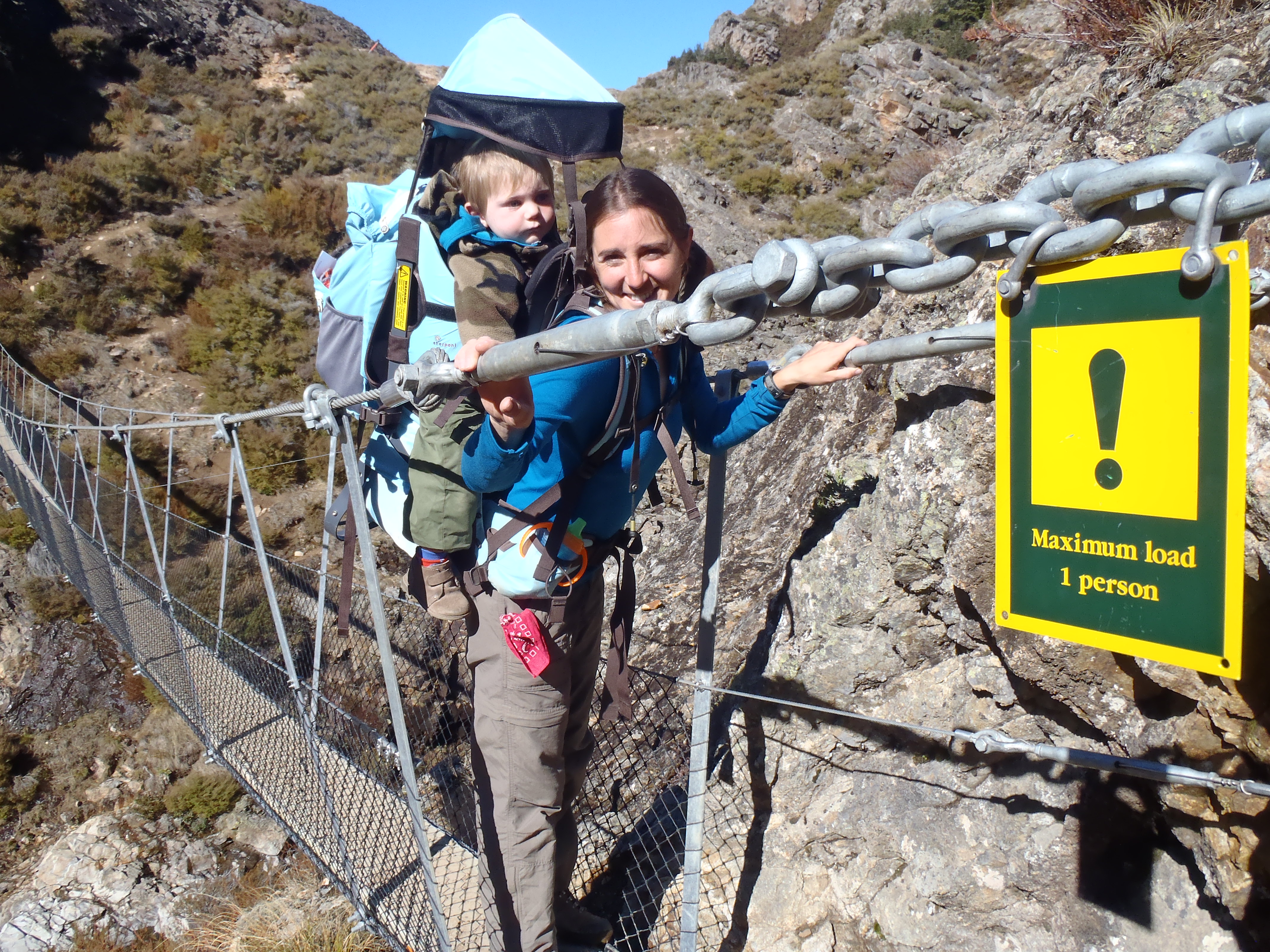
Many trails don’t have bridges where they cross creeks, and Kiwis say they just walk though the water, shrugging off freezing wet feet as a fact of hiking life here. We’re not so convinced, and as pansy Americans we still adhere to the sacrament of dry boots while hiking. We LOVED this bridge, not only because it prevented wet feet, but because it WIGGLED.

“1 person maximum load.” Whoops, Milo and I exceeded that limit, but the bridge didn’t fall down.

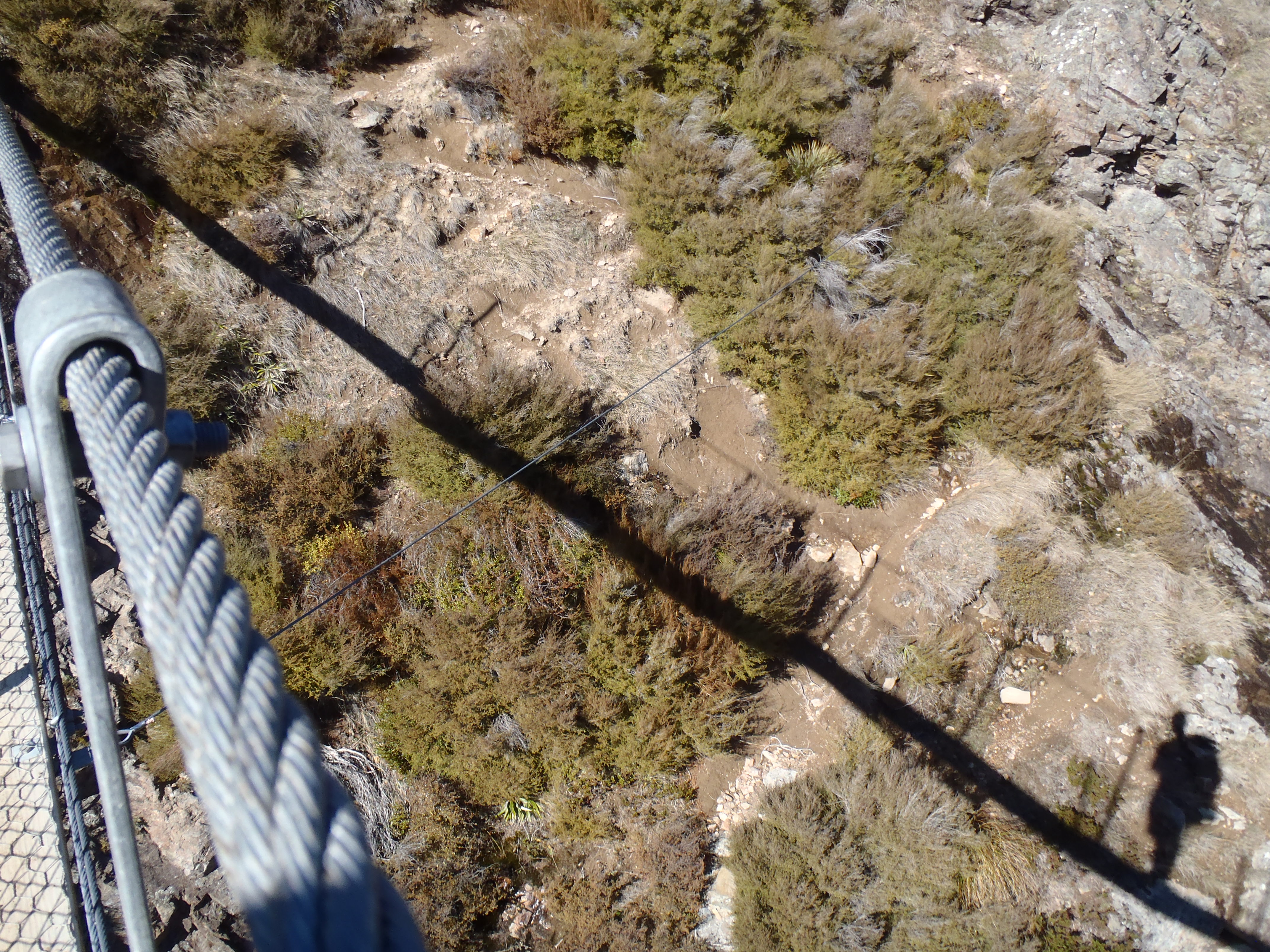
This is a good time NOT to have a fear of heights!

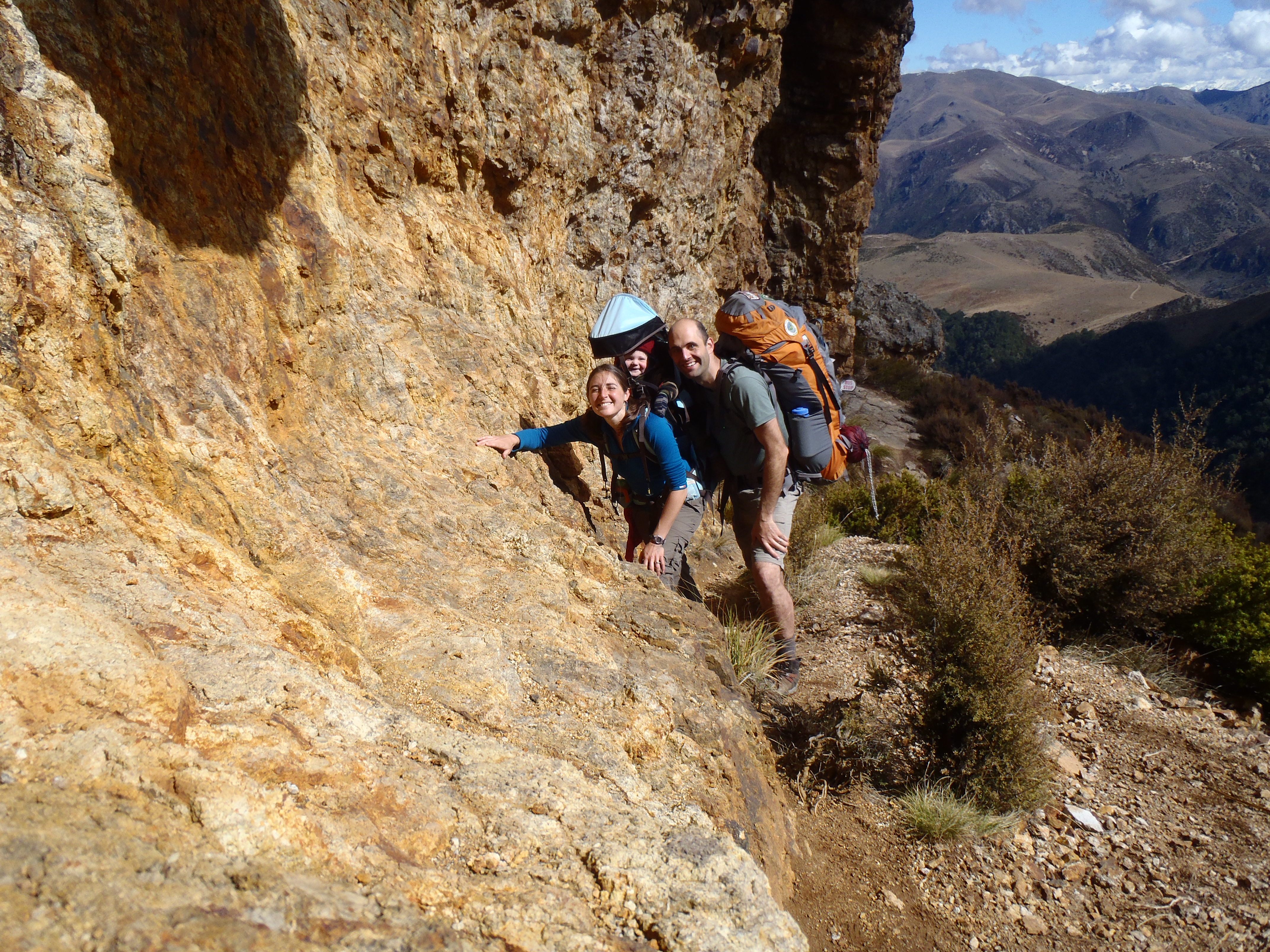
There’s a little cave in the lee of a big rock along the path, and hikers have nicknamed it “The Bus Stop.” The weather can be pretty inhospitable here at times with wicked winds on the exposed south side of Mt Somers, so sometimes hikers park themselves here at the last shelter spot to wait out the weather. We had some chilly breezes, but nothing major.

The “Bus stop” even has a sign. But no bus, no tram, no train, no helicopter.
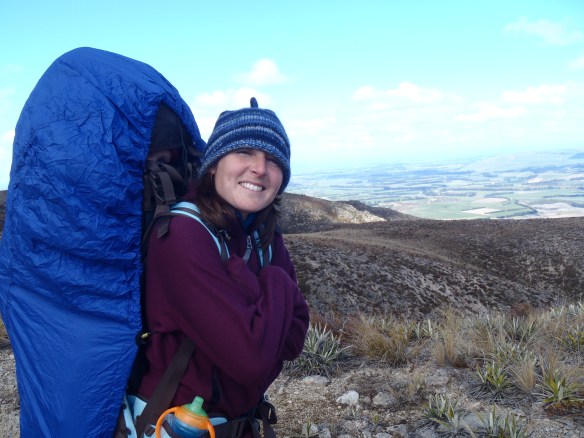
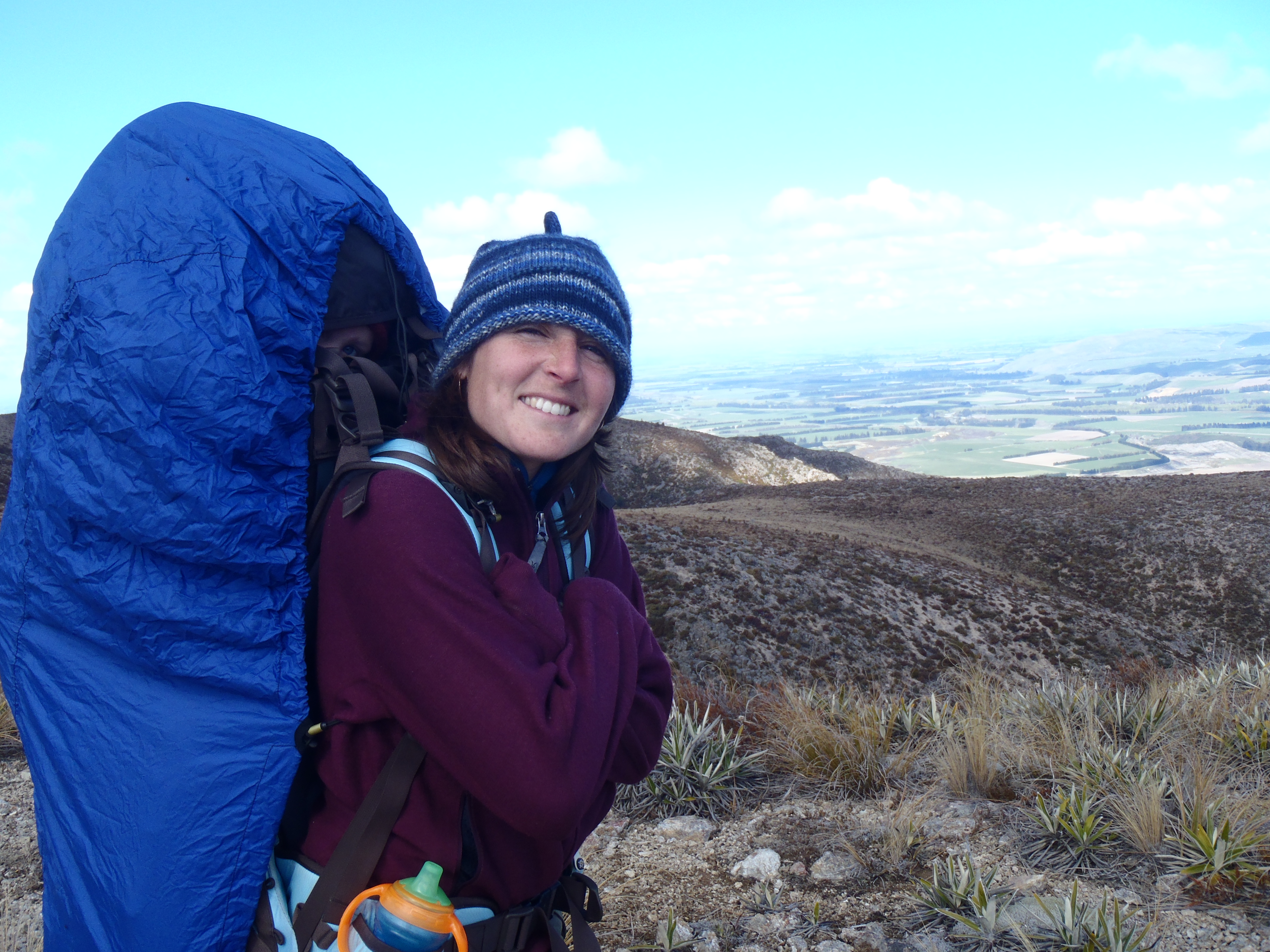
Here’s how we keep the little squirt warm when it’s windy–he gets covered in the pack cover! He has a little peep hole to see out of, but many times he just puts his head down and goes to sleep.
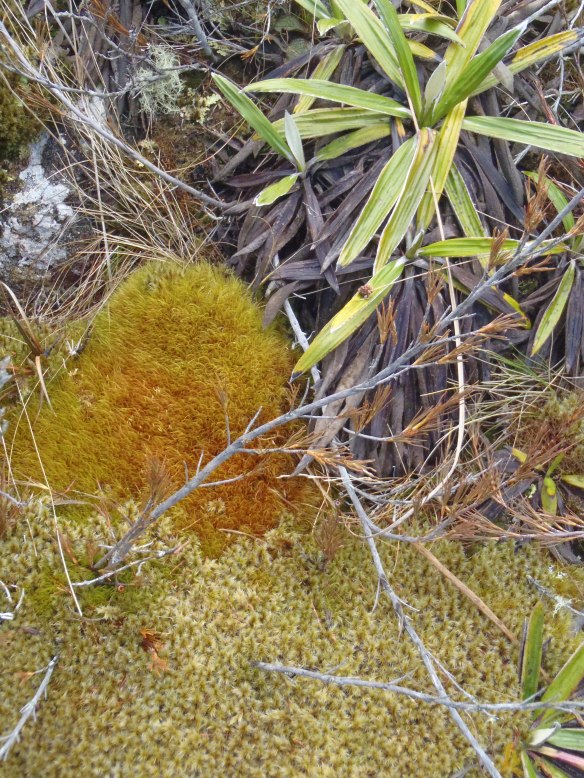
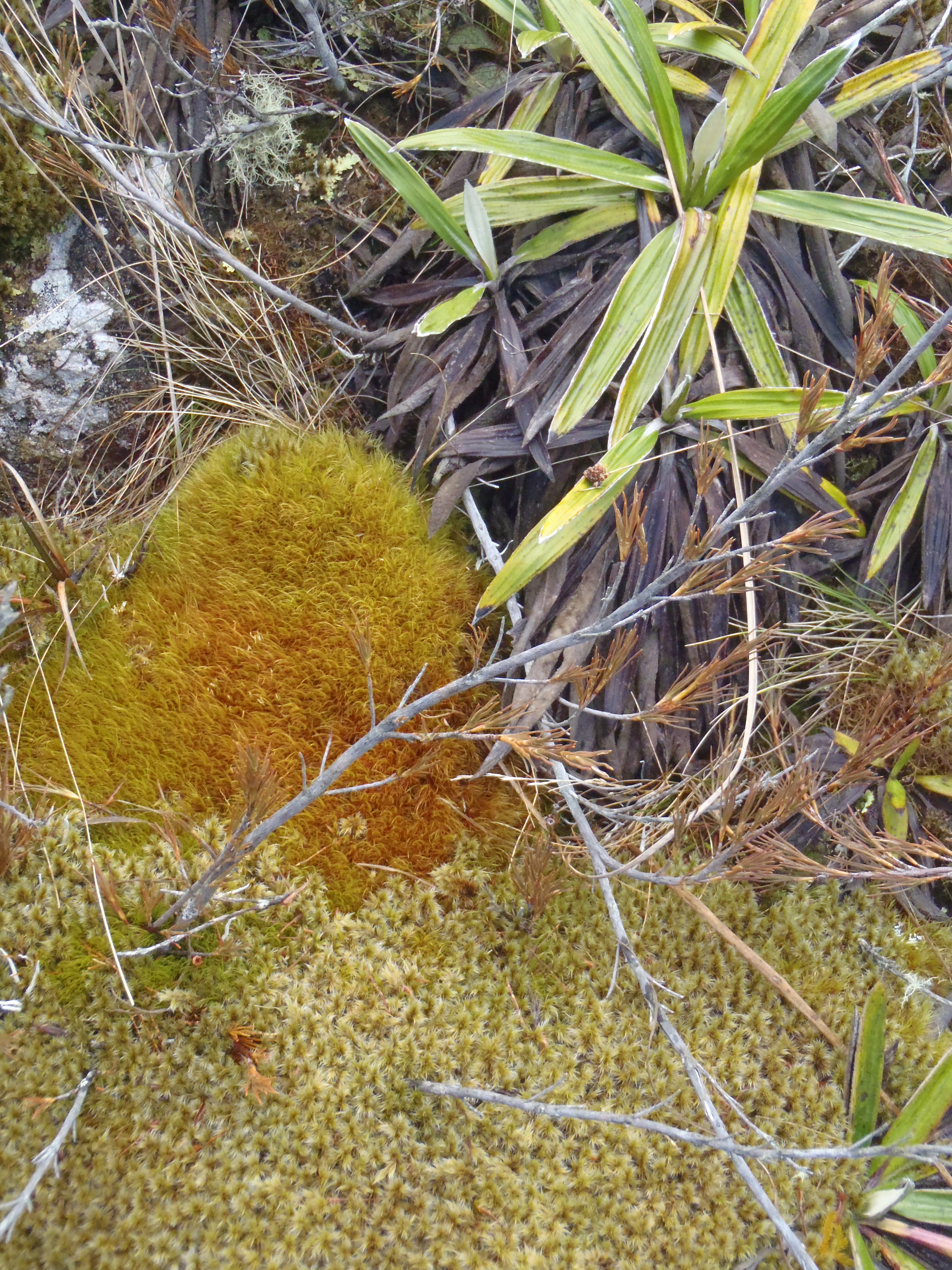
The soils up on these particular hills aren’t very fertile, with damp heavy clay soil, lacking nutrients. Mosses don’t seem to mind though! The lichens and mosses are most impressive, making their living where other plants can’t, at least not until their slow actions have helped weather the rock and improved the soil for other plants to get a toe-hold. I like them. They seem to be happy enough with the “make do with less” mentality.

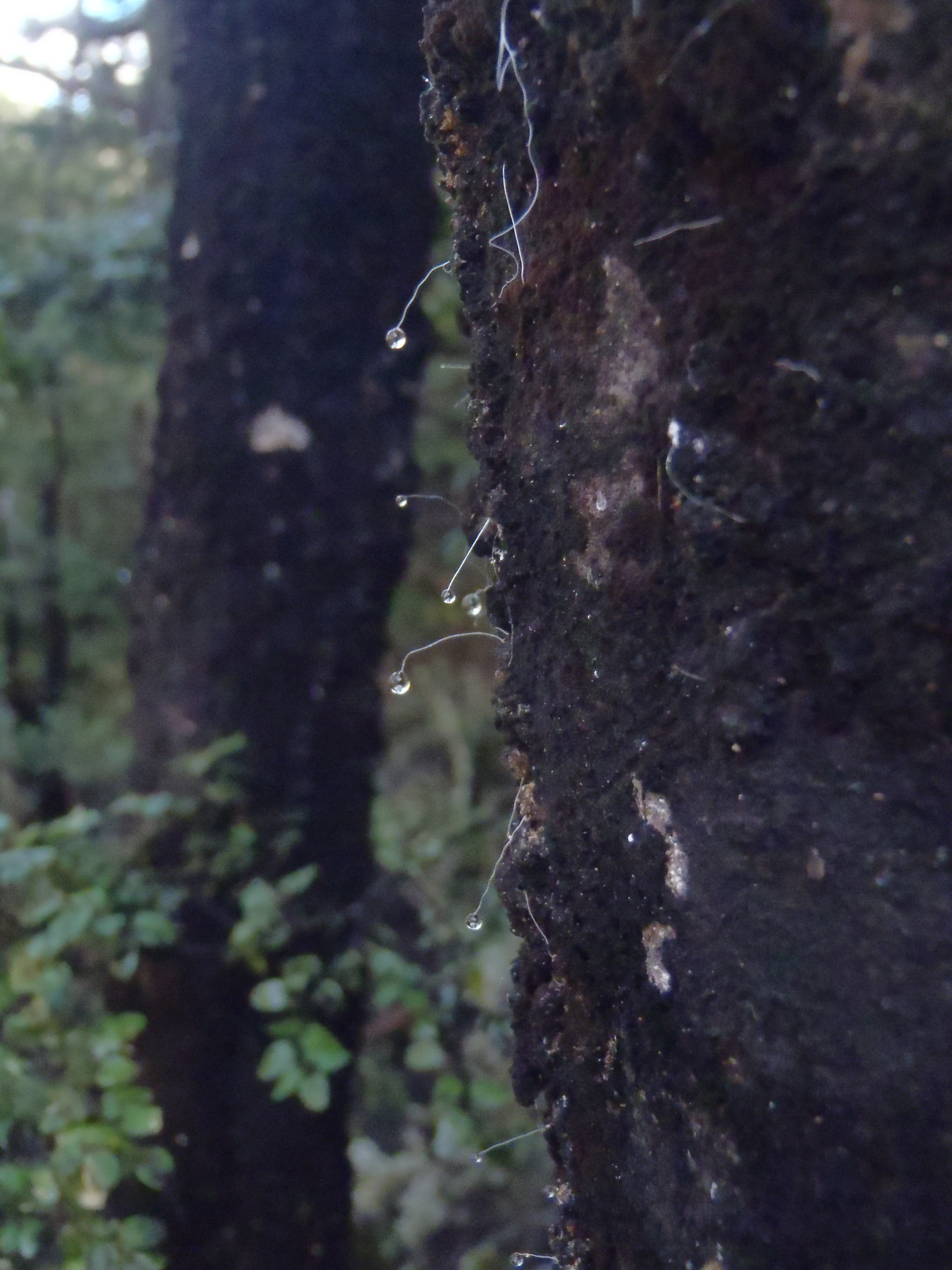
The tree trunks are all black in the damp creek gullies. I think some sort of fungus is growing on the bark, making delicate little hyphae with bulbous water droplets. Need to learn more about that one….probably I’ll have to go back and ask old Tom Bombadil (Hugh, caretaker at Hinewai Reserve).
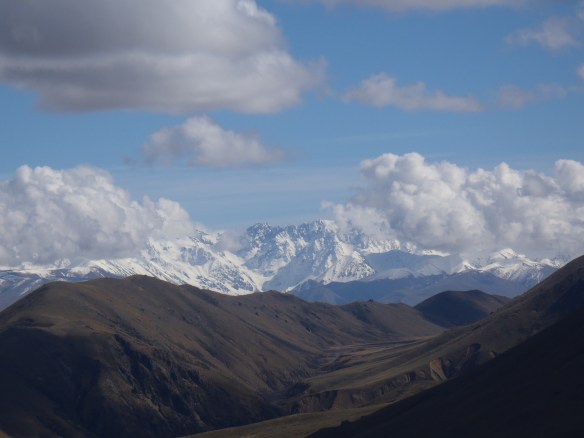
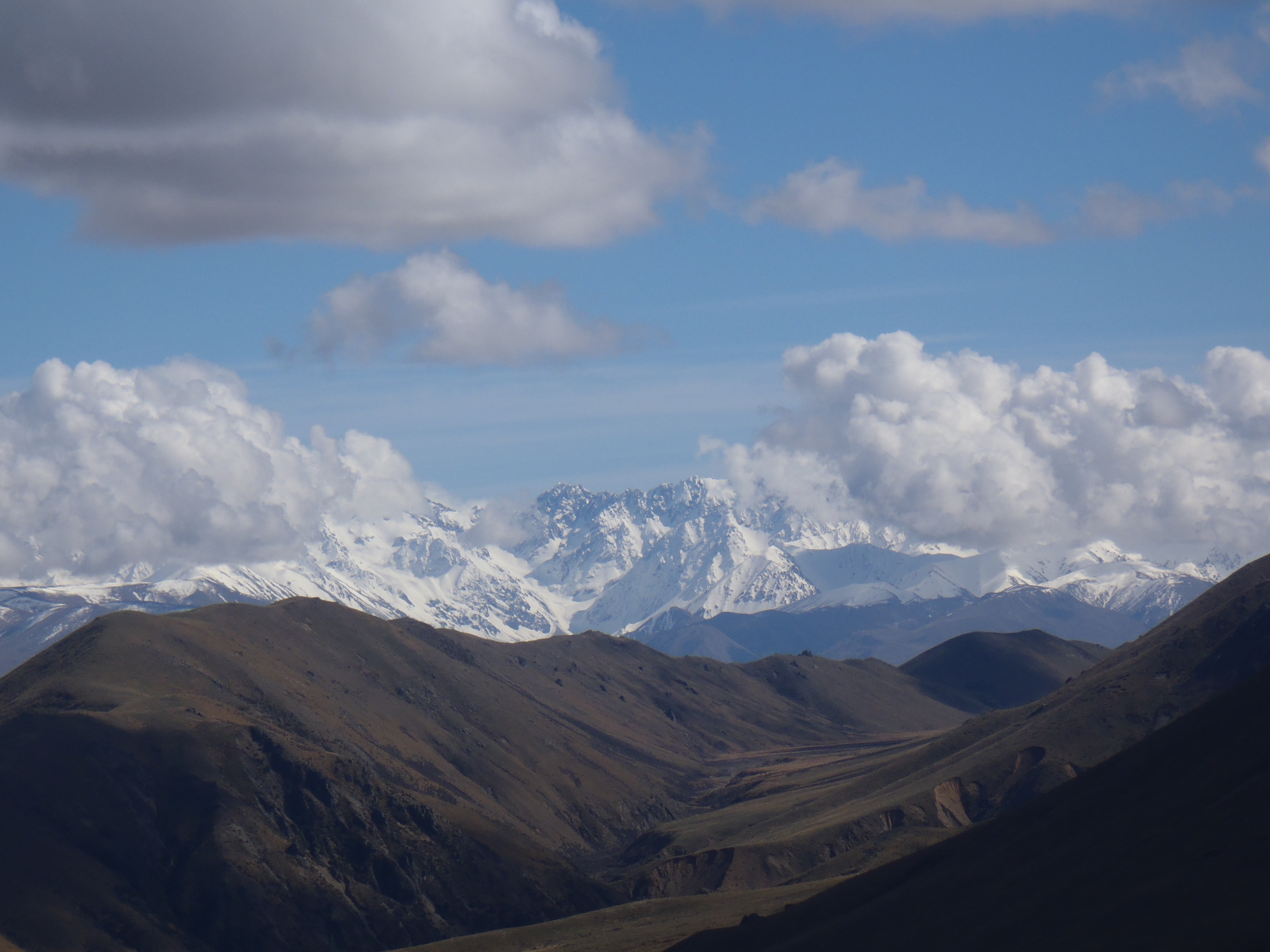
More scenery….we just can’t help ourselves. There were two guys at the hut who had carried in their skies, looking for a snowy slope to hike and ski down. They didn’t find any that were accessible from the hut, but we enjoyed talking to them anyway. Both are from Dunedin, south of Christchurch, and one invited Jeremiah to call him up when he wanted to go hunting down there.

‘Christmas’ in September

Uncle Ted and Aunt Gretchen said when our shipment of household stuff came it would be like Christmas. They said you’d forget what you had packed and when you opened it up you’d have lots of pleasant surprises. At the time I thought “yeah, probably, if you’re old and forgetful and really into dishes.. I’m not.” But they were absolutely right. Maybe I am old and forgetful, and if not dishes, then I’m really into colorful throw rugs. We’ve been in New Zealand for 6 weeks now and it feels GREAT to eat at a dining room table and sit on a sofa. Our stuff took up 1/3 of this shipping container.

The carefully polite movers hauled everything inside, threaded the couch through the tiny living room door, and began assembling chairs, tables, and beds. All the hardware to put our bed together was missing, but at least Milo’s crib pieces came through alright. I offered the guys cookies for their break time and they didn’t know what I was talking about. Cookies are called ‘biscuits’ here, makes them sound a little healthier…or like a doggie treat.

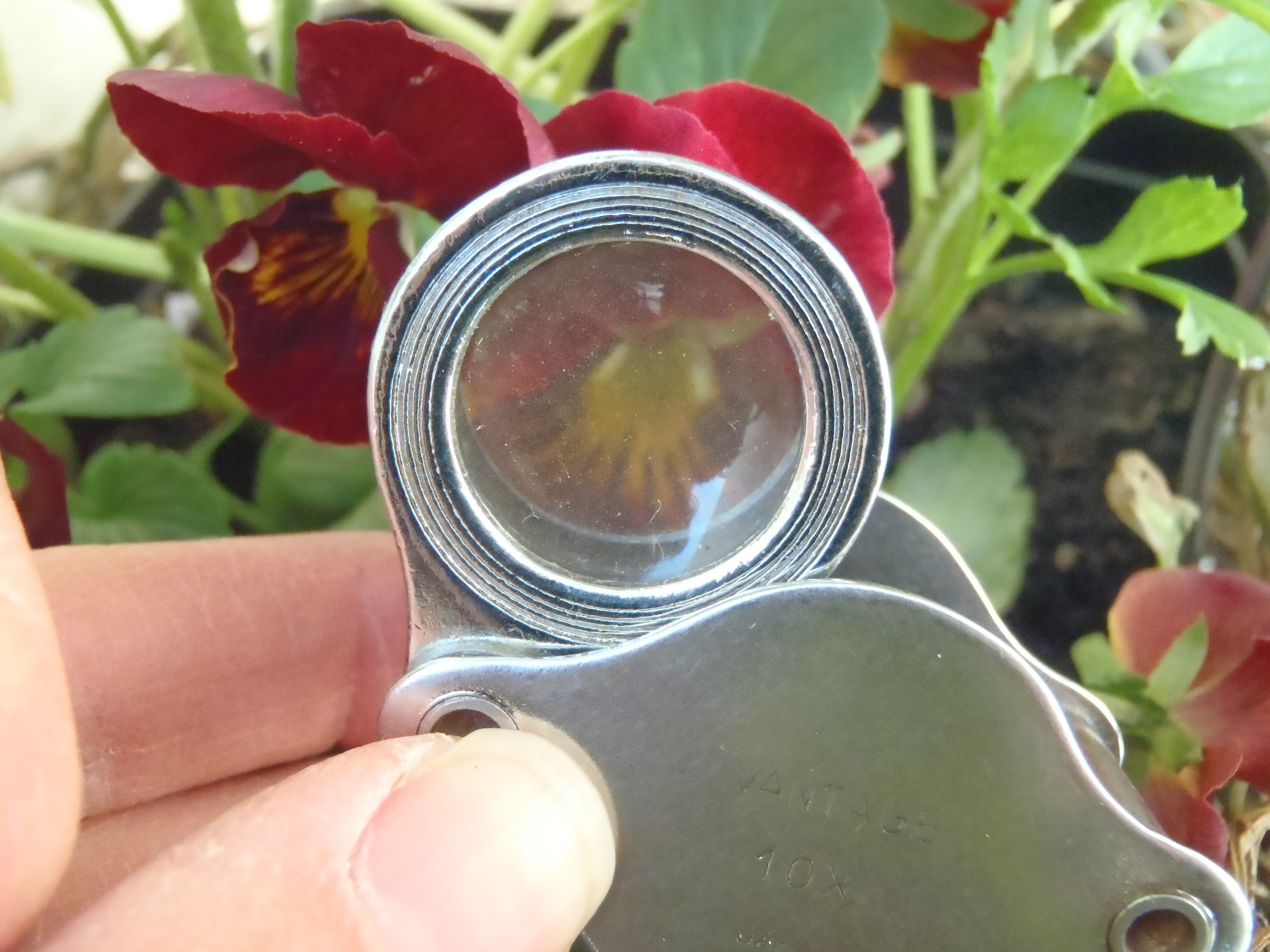
Of all the nice little things that I unpacked today, my 10x hand lens tickled me the most. I completely forgot that I had packed it, and I had been wanting it too. It must have been an afterthought on the packing end, since it was tucked away in the kitchen box. Now I can see the fern sori (delicate little spore holders) close up! Oh my, I’m a hopeless nerd.

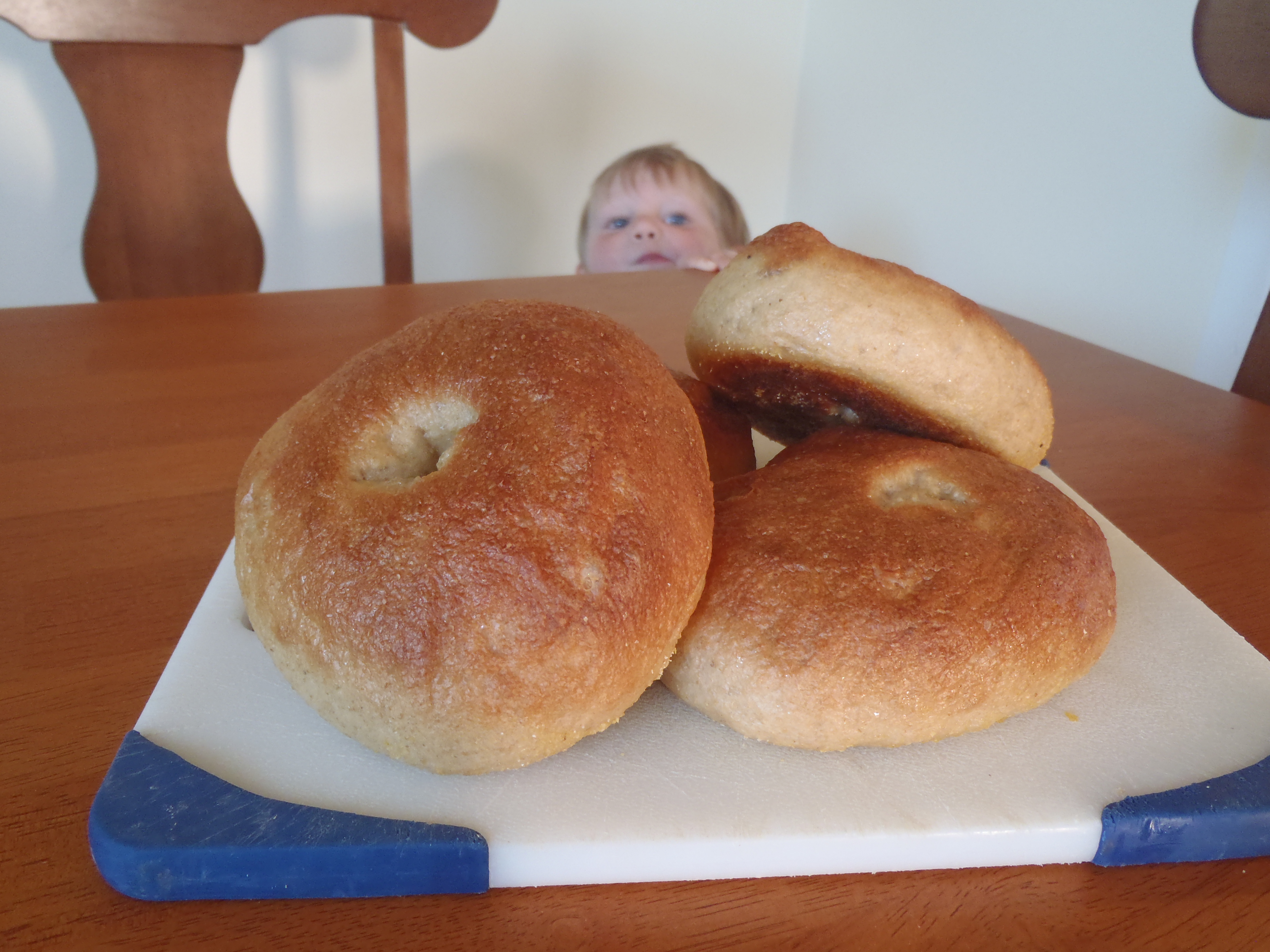
Bagels, a success! Milo thinks so too. Kiwis don’t seem to have fresh bakery bagels and Jeremiah likes them for breakfast, so I’ve been trying out recipes and techniques. These are the best so far. Dough sits in the fridge for a day, then bagels are formed, they rise, they’re boiled, then baked. Baked on parchment paper sprinkled with cornmeal, after the first batch I tried left all their bottoms on the pan. The mover didn’t know what bagels were.

Garden city

Friday Milo and I went to Hagley park for a few hours, the big central park in Christchurch that sports extensive botanical gardens and a lovely section of spring daffodils growing under tall beech trees. Milo smells flowers by blowing on them. The gardens were a lovely way to spend the 4 hours we had to kill waiting for the hitch to be installed on the car.

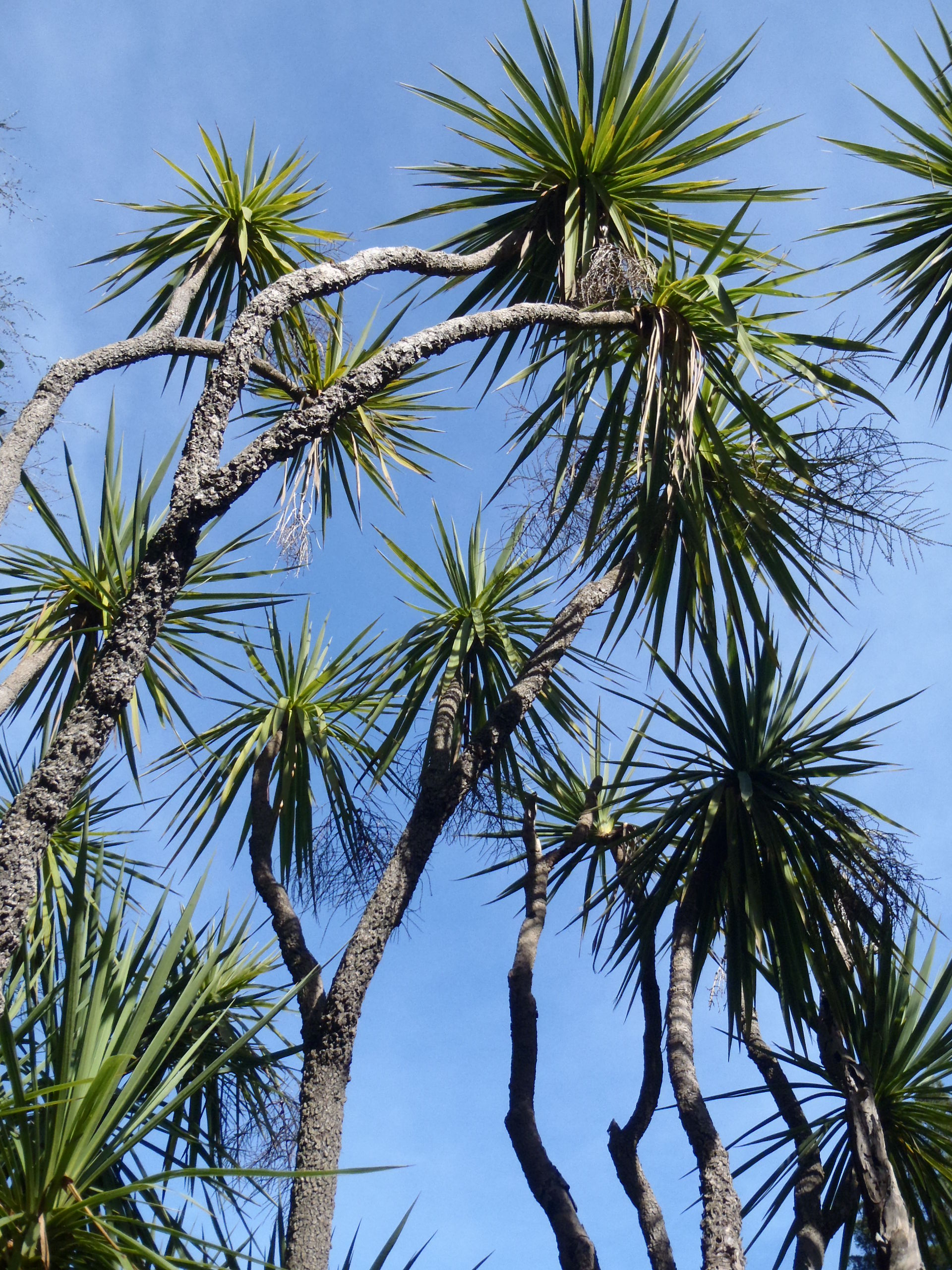
This “cabbage tree” is a signature New Zealand plant. Doesn’t look much like a cabbage to me, but Maori used to dig up the roots, grind them, dry them and eat them. That was before Europeans brought potatoes which were much easier to cultivate, cook and store. When my NZ plant encyclopedia arrives with all our stuff I’ll learn the plant family to which it belongs. Somehow knowing the plant family makes the world seem friendly and familiar.

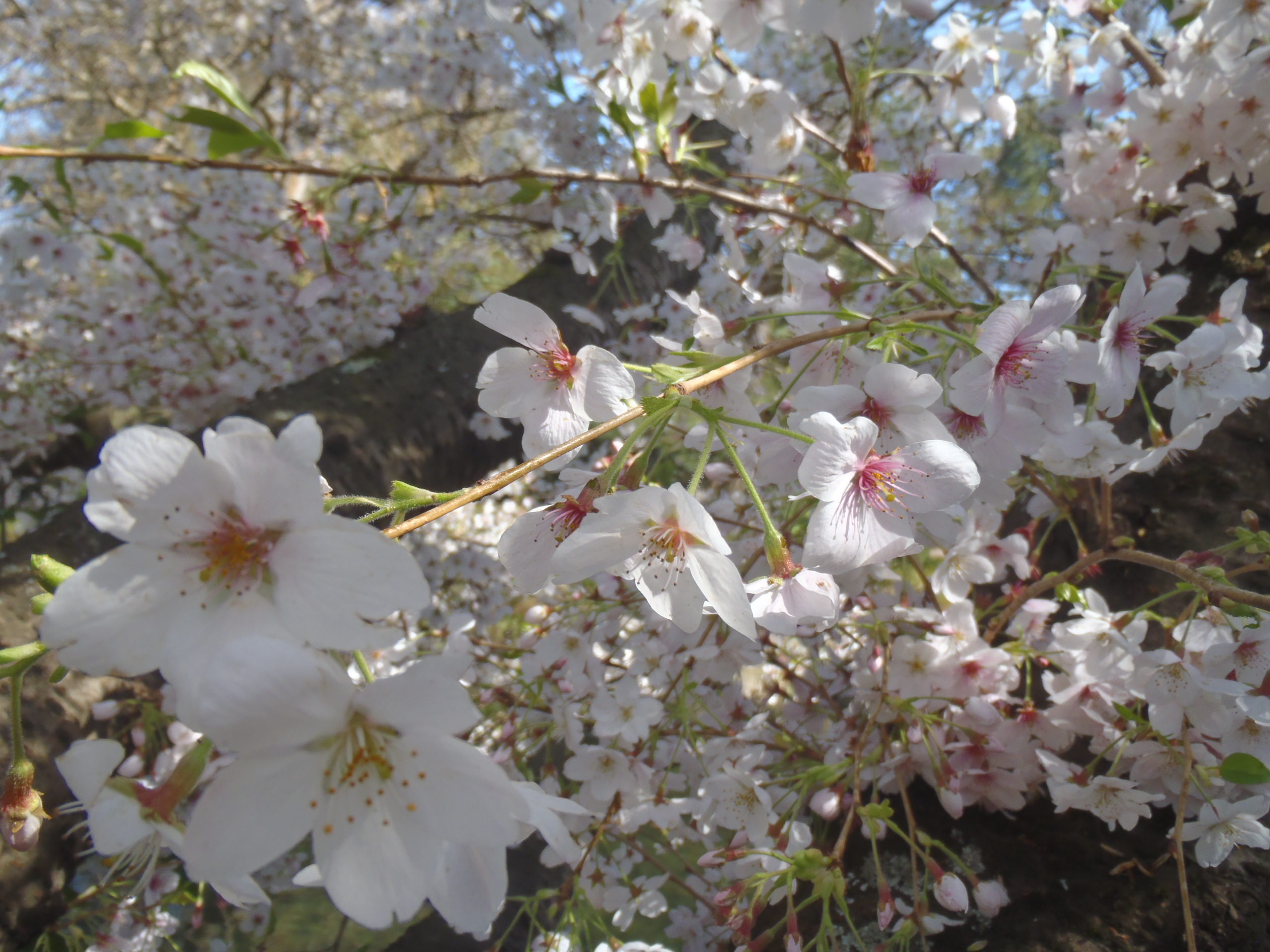
Along with the daffodils are rows and rows of blooming cherry trees. Spring flowers seem to last a long time here, a perk of the weather is still pretty cool still. I thought Jeremiah’s colleague was just out of touch 6 weeks ago when he said the daffodils would be peaking in about 6 weeks (they were already starting then), but he was right.

Will I ever get enough of these luxurious ferns? Probably not. I love the new baby fronds coming up. They’re enormous, it’s like a nest of dinosaur eggs.

Milo really appreciated all the New Zealand native plants neatly labeled in the botanical garden. He found the stroll very relaxing.

Fulton Hogan’s view of Christchurch

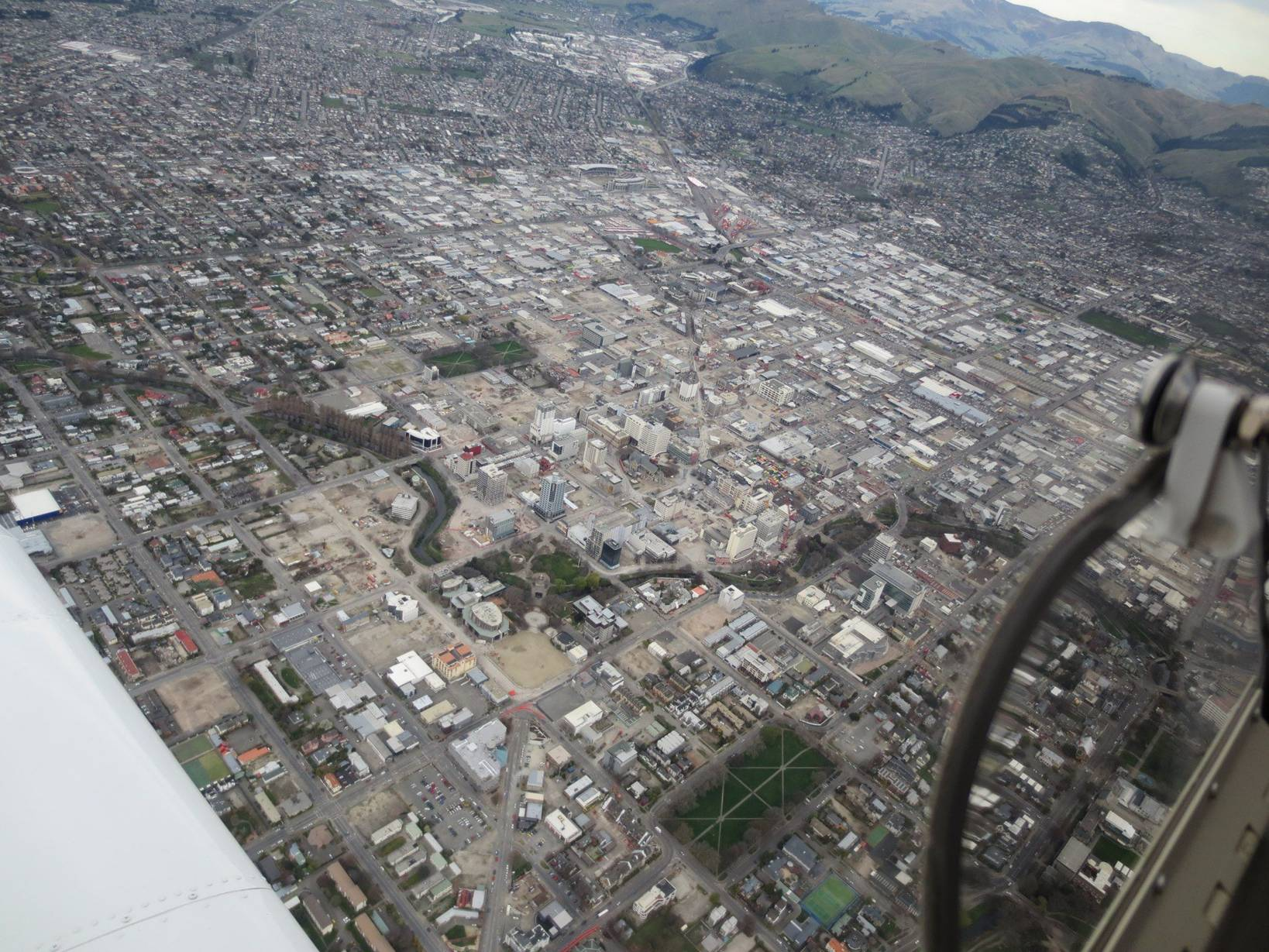
Jeremiah got this picture at work showing all the vacant lots where buildings have been taken down after the Feb 2011 earthquake. Fulton Hogan is a big construction company (or destruction, as the case may be), and the photo was taken from their corporate helicopter. Whole city blocks are gone, and you can actually make out the colorful container mall just to the right of the remaining tall buildings. There are residential neighborhoods that will look like this too, once the insurance is straightened out and the houses are demolished. I guess it’s easy to see why there’s lots of engineering (and construction work) to be done here. Anyone want an adventure? They’re hiring.
We’ve heard a few first-hand accounts of the earthquake, all the residents remember their particular details with clarity. What this photo doesn’t show is the “liquefaction” the earthquake caused and all the damage to the underground water and sewer systems. Huge sections of the city are built on old swamp, as is the case with many cities in the world. In these areas the silty soils acted like a mud pie in the quake, turning to liquid and allowing buildings and roads to sink while sewers floated. Residents have reactions that run the gamut from traumatized to humorous, and no doubt we’ll continue to hear their stories for years to come.

Christchurch container craze

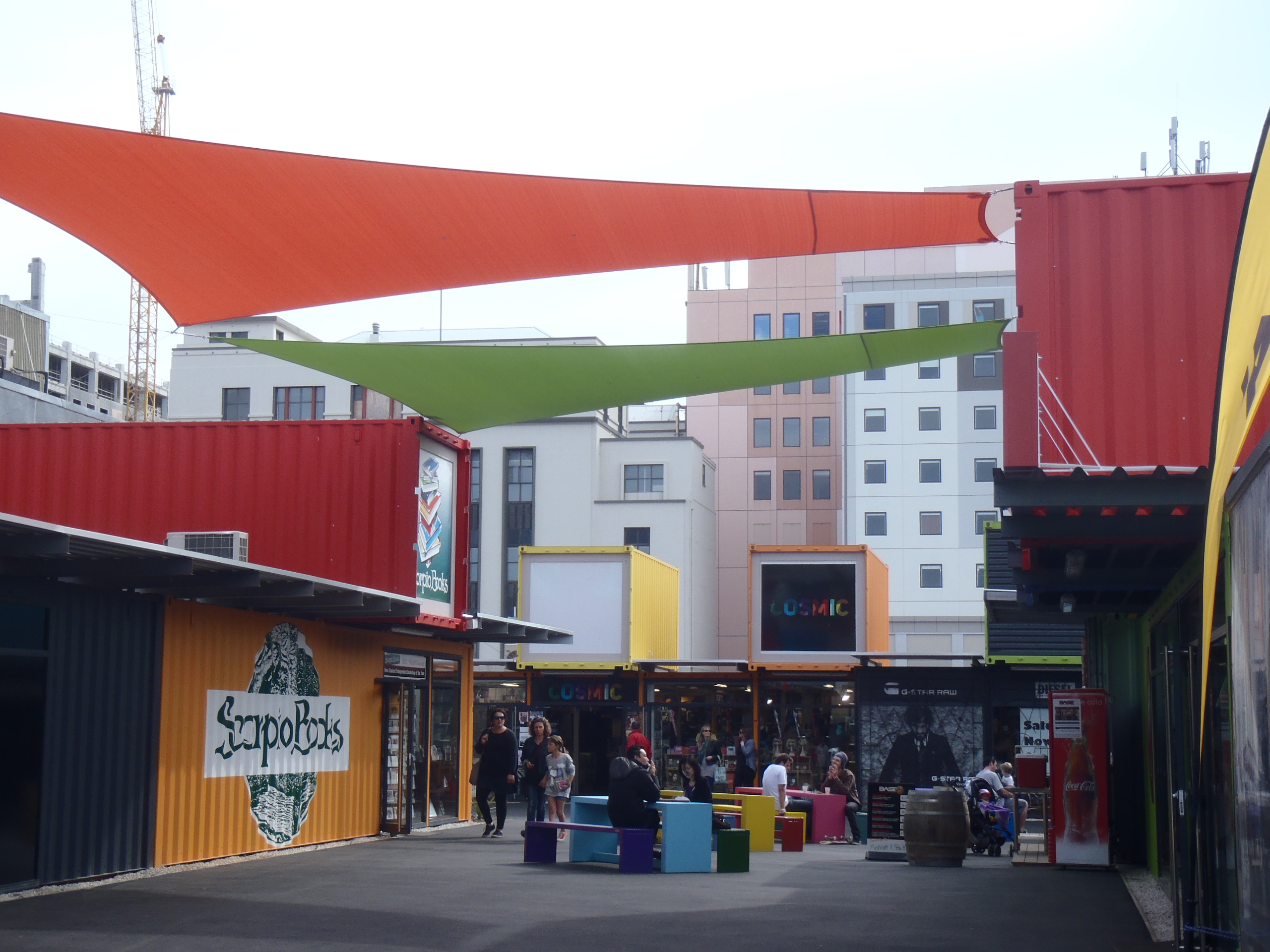
Most of the buildings in downtown Christchurch are demolished by now (because of the February 2011 earthquake), but the open lots made room for a “container mall.” You know those dingy mundane metal boxes that sit on trains, trucks, and barges? Christchurch retailers have cleaned up and dressed up these metal boxes and positioned them into a colorful outdoor mall.

The mall even has a two-story coffee shop with lots of big glass windows (single pane, to be sure). The parking garage behind looks like it made it through the quakes. Kiwis call these things “car parks,” which in my mind always conjures up images of smiling vehicles careening down slides and bouncing on teeter totters.

You can even stroll down the mall promenade with your arm around your partner at the downtown container mall. Side note: kiwis seem to have “partners” more than spouses. Our American friend, trying to fit into the local scene, once referred to his wife as his “partner.” ONCE is the operative term here–he got an ear-full from his WIFE.

Domestic triumphs

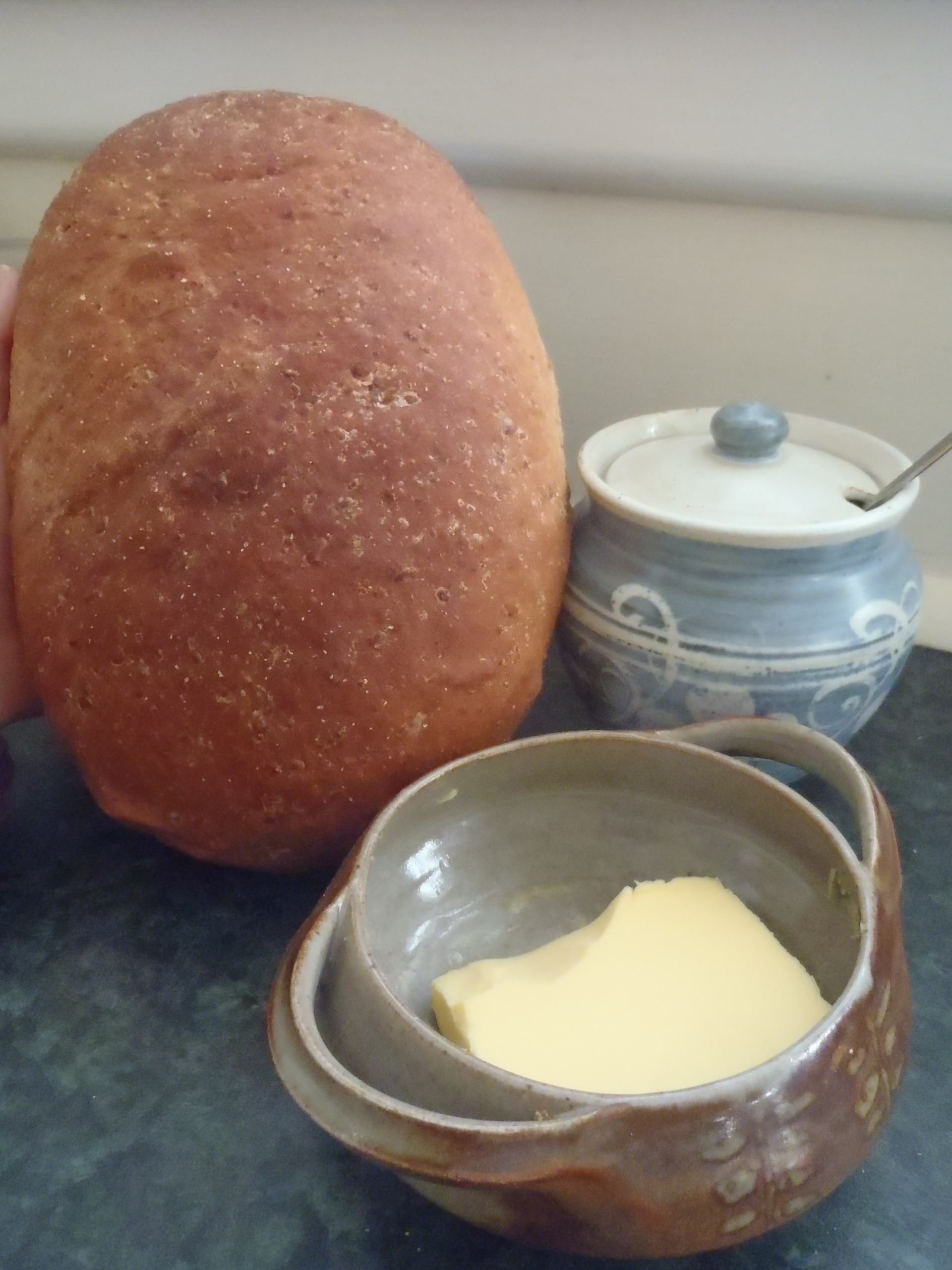
Domestic delights–fresh baked bread with honey and butter….in containers from the second hand shop of course. I can’t remember if we shipped bread pans or not, but I finally figured out a nice looking loaf without a pan, courtesy of baking paper, cornmeal and careful dough folding. Yay, a triumph!

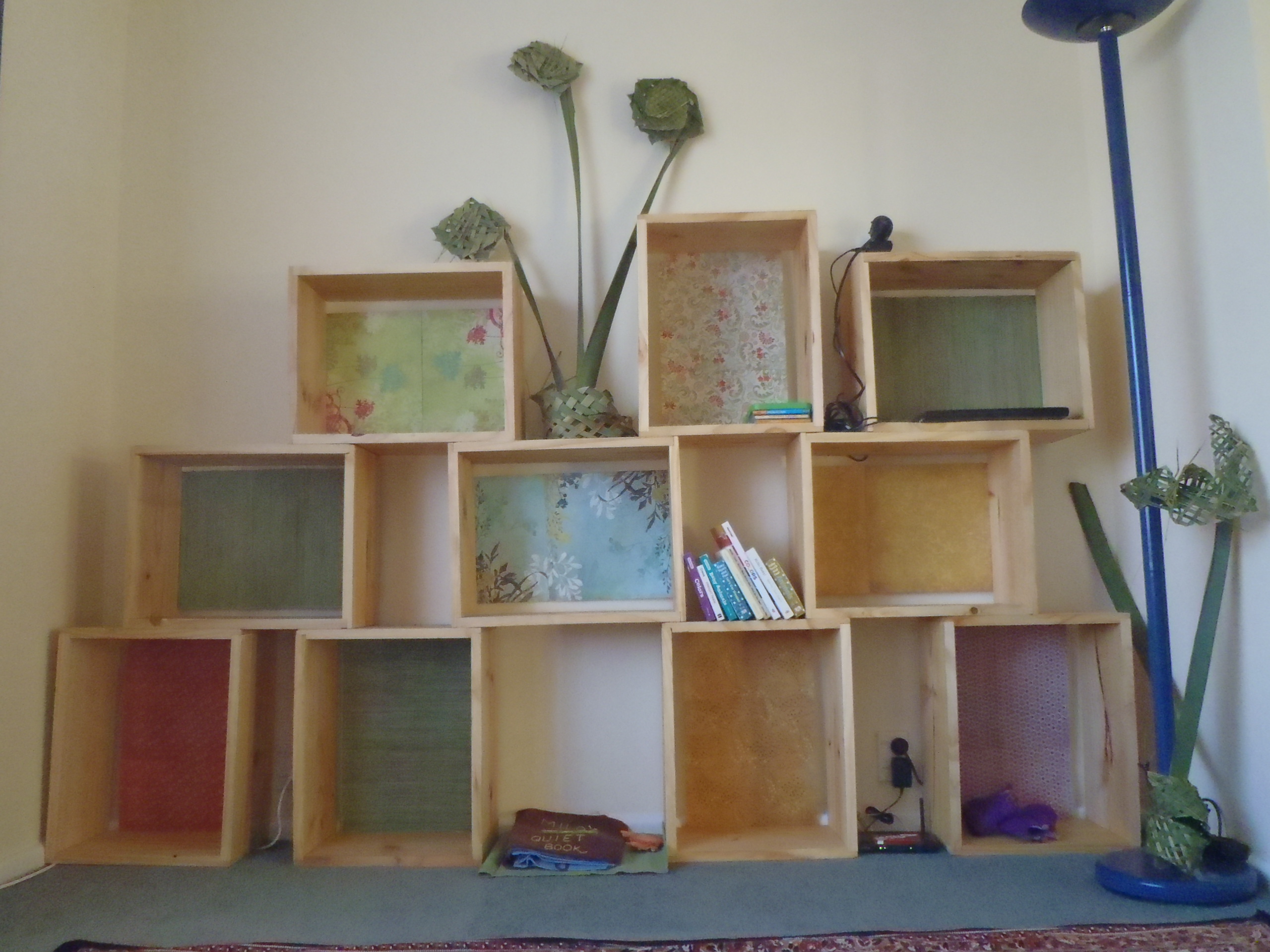
I spent yesterday evening decorating the bee box shelves with pretty paper from the stationary store, and I’m tickled pink with the result. When I asked Jeremiah how he like them he looked up from the computer for a sec, testified to their colorful nature, and resumed his web surfing. The truth is he wouldn’t care if he lived in a black and white cave, but he has been married long enough to know that a cursory approval is necessary.

Hinewai’s caretaker

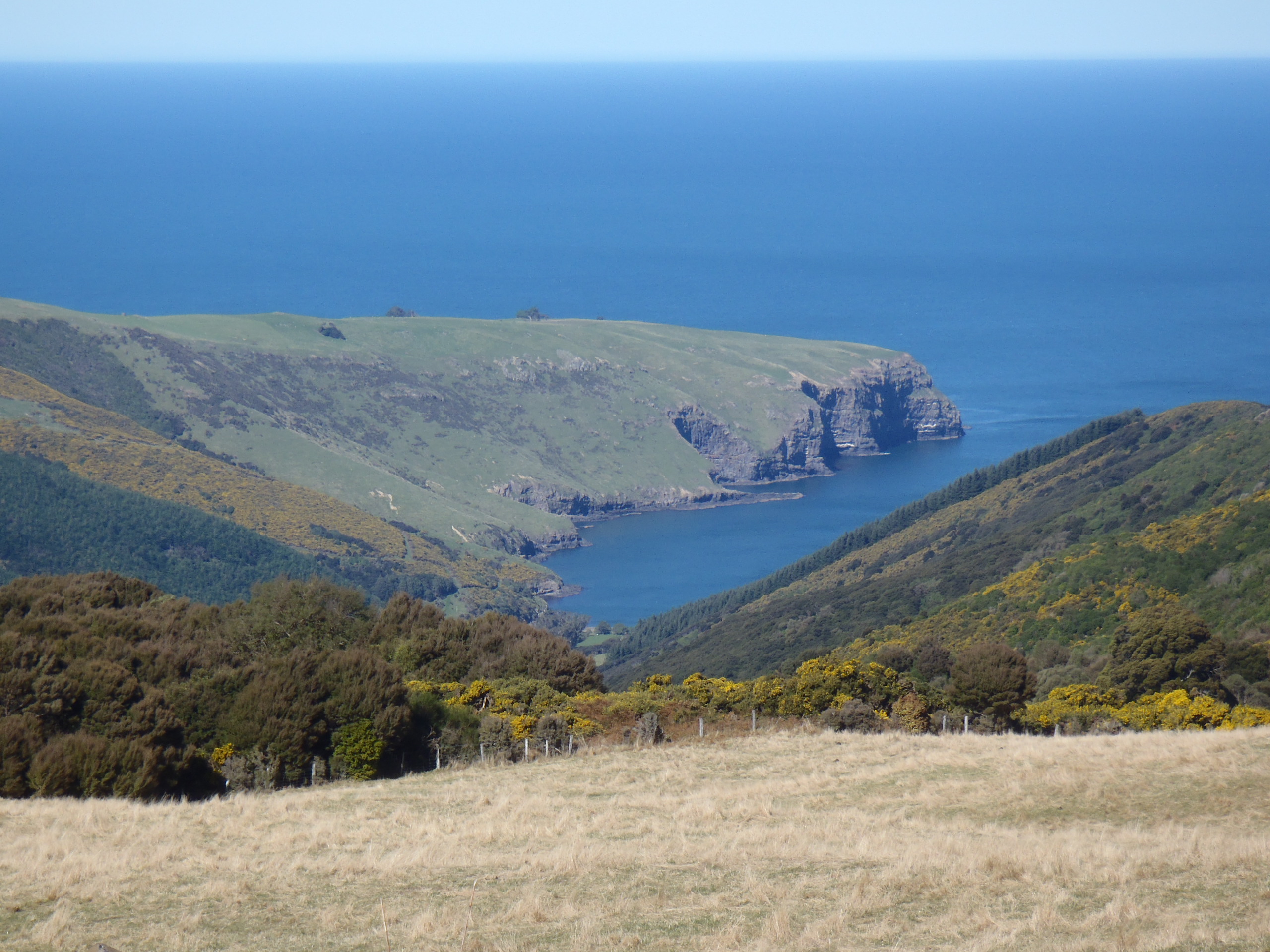
The Banks Peninsula is a humpy ancient volcano (now dead), eroded down to moderate height but still with steep slopes. It’s just southeast of Christchurch, making it a handy hiking spot for weekends when the southern alps are wet and nasty (this past weekend). We drove to Akaroa, the last town on the road, and from there hiked up hill, past dozens of sheep (of course, what else?) and over to Hinewai Reserve.

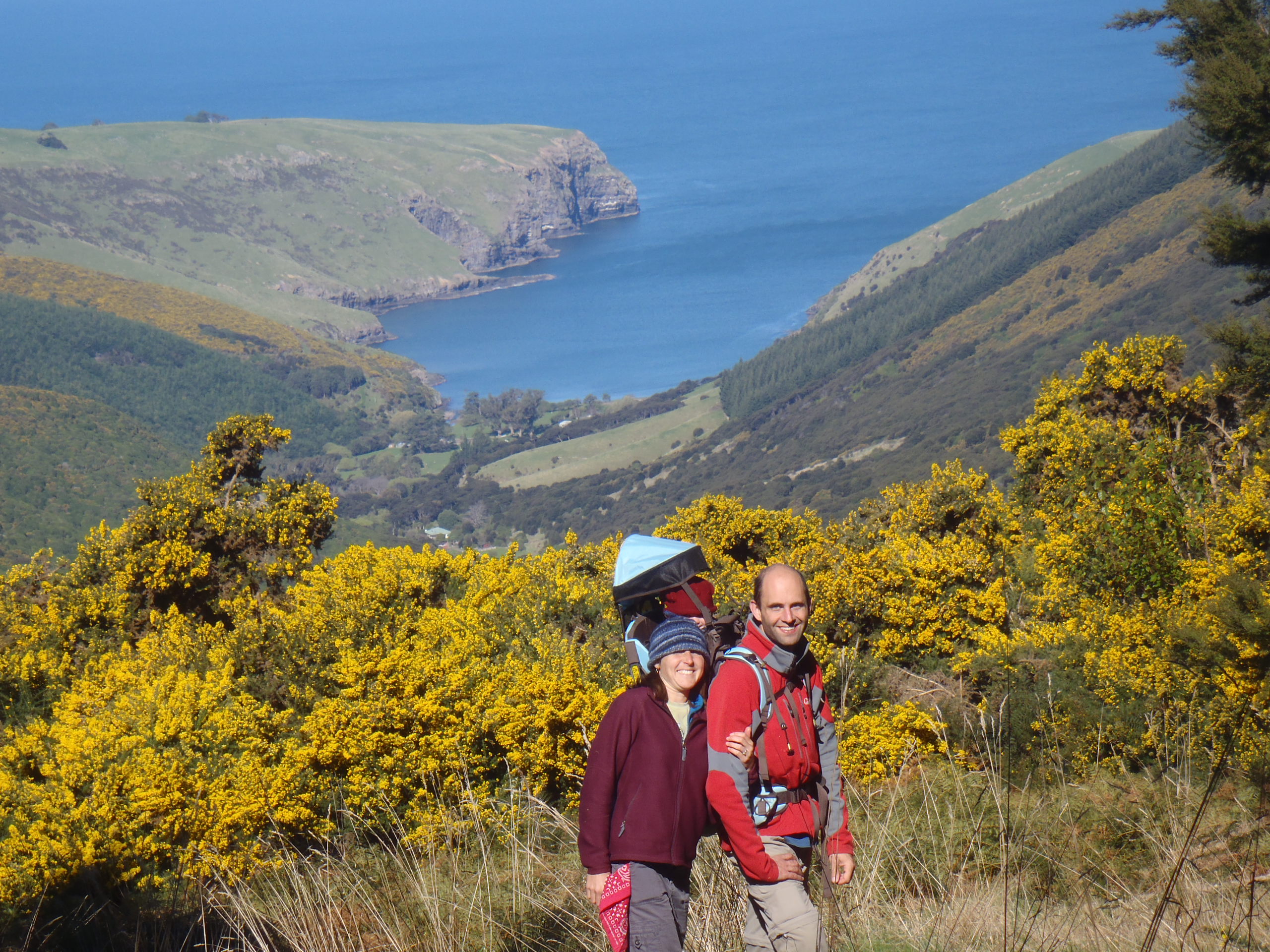
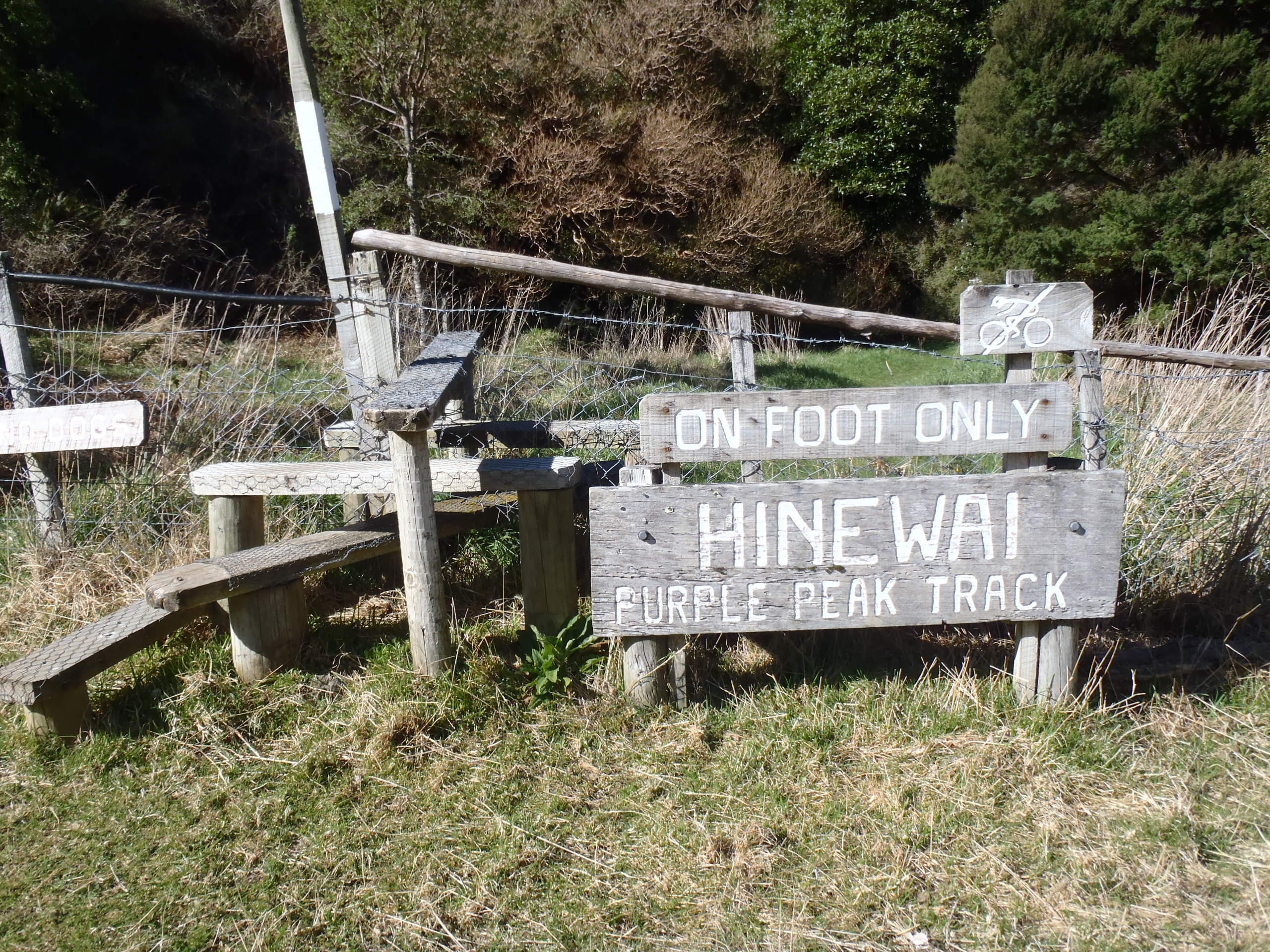
Hinewai reserve is tucked between the arms of the hills, in a particularly wet spot of the Banks peninsula. You can tell where the reserve starts because that’s where the trees and gorse begin.

Awww…. Nothin’ more to say about that photo

The fence keeps the livestock out of Hinewai, and that’s the point of the reserve. It contains one of the last virgin stands of trees on the Banks peninsula. You climb the style and jump back 150 years in time to what New Zealand was like before all the trees were cleared for pasture.

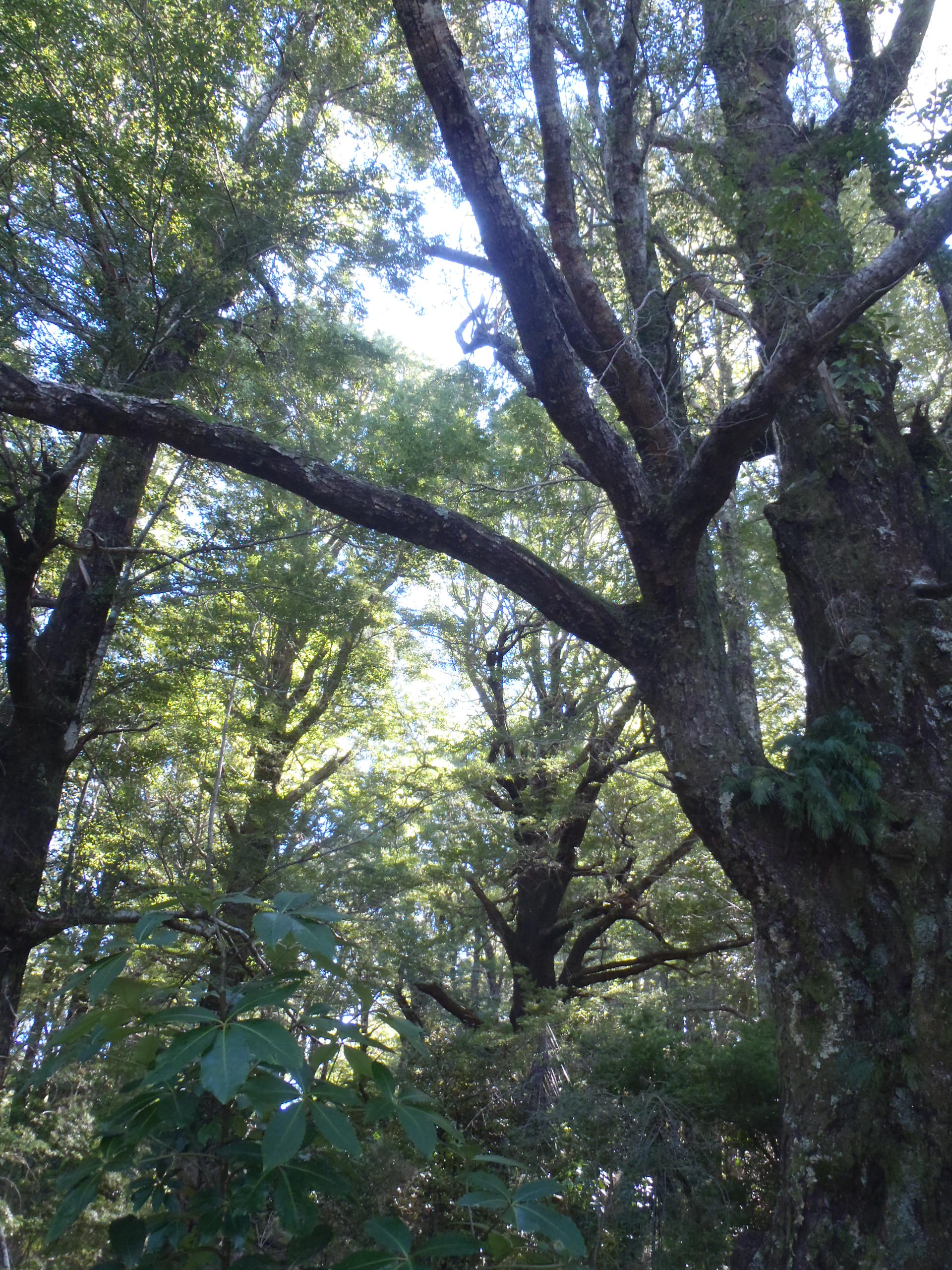
These are giant old beech trees in Hinewai. There’s similar to our beech in north America, but taxonomists have recently split them out into their own family. As lovely as this forest is, the really interest in Hinewai is Hugh, the caretaker. I regret not taking his photo! I’ll get the portrait on the return trip. Hugh is the caretaker of these trees and the whole reserve, and he lives up at the visitor’s center. We puffed up the hill and found Hugh bouncing along sporting short shorts and carpenters’ knee protectors, with a flannel shirt, knit cap, full white beard and twinkly blue eyes. He knows every plant and animal in that reserve by name, class, family, genus and species. And he loves them. He’s just like Old Tom Bombadil that Tolkien writes about.
“Old Tom Bombadil is a merry fellow,
Bright blue his jacket is, and his boots are yellow.
None has ever caught him yet, for Tom, he is the master:
His songs are the stronger songs, and his feet are faster.”

I don’t know what the New Zealand flag looks like, some boring iteration of the Union Jack. But I do know the flag of the All Blacks, the Kiwi rugby team, because everyone flies it, wears it, and loves it. It’s a fern. Strange symbol for a tough rugby team but appropriate for New Zealand. This picture is looking up through a tree fern.

Three lone sheep were hanging out at the saddle of the hill. Domestic sheep all have docked tails, but these girls had tales hanging down to their hocks and look like they haven’t been shorn in more than a year. I wonder if they are escapees.

Walking back down the hill we passed this creepy grove of dead scorched gorse, looked just like Dr. Seuss’ Snidebush. I’m assuming they were intentionally burned, since they’re invasive plants here. The only line I could recall from the “Pale green pants with nobody inside them” story was “I went to pick a peck of Snide in a dark and gloomy Snide-field that was almost nine miles wide!” Looked for the pale green pants madly pedaling a bike, but only saw a dead sheep.